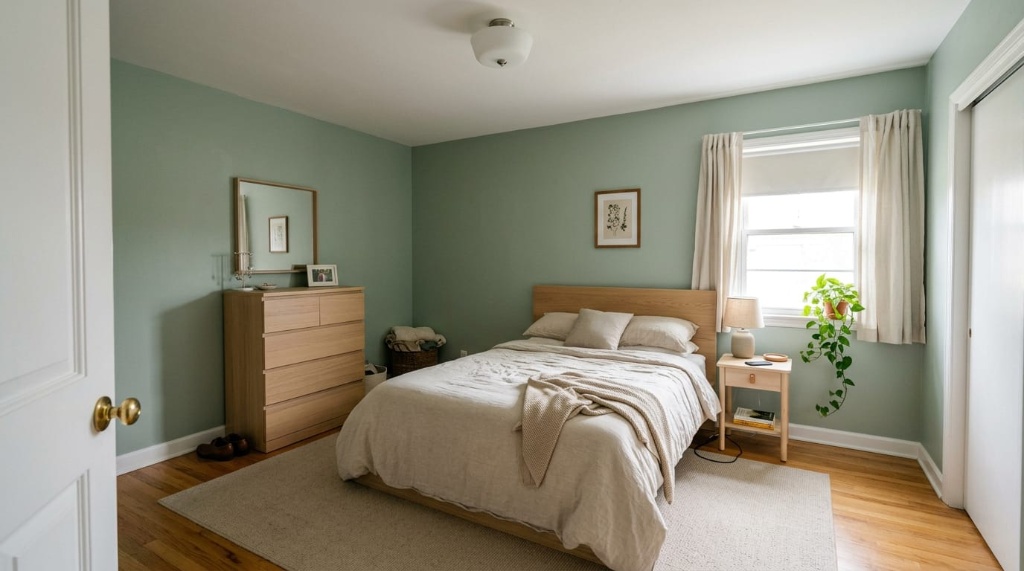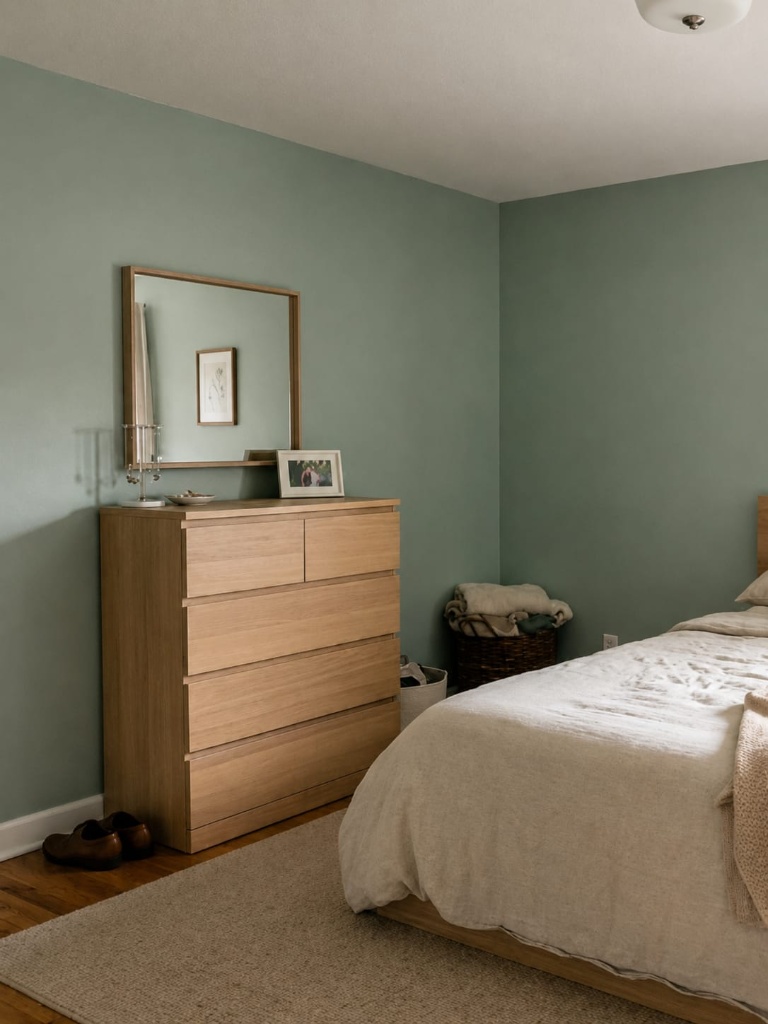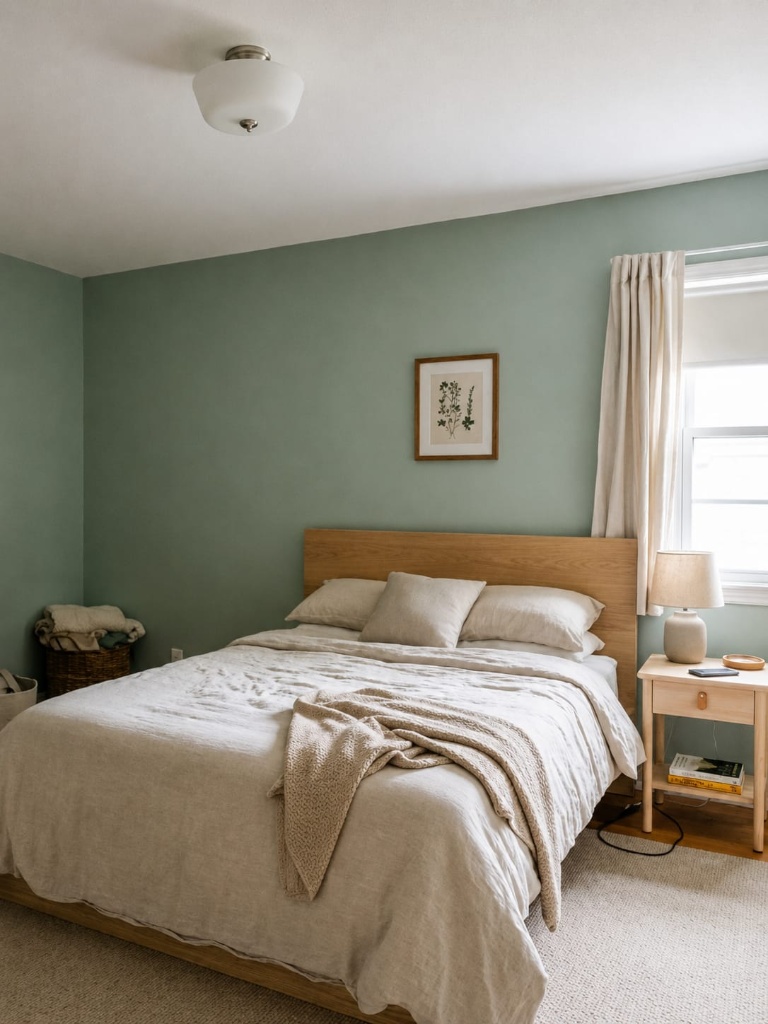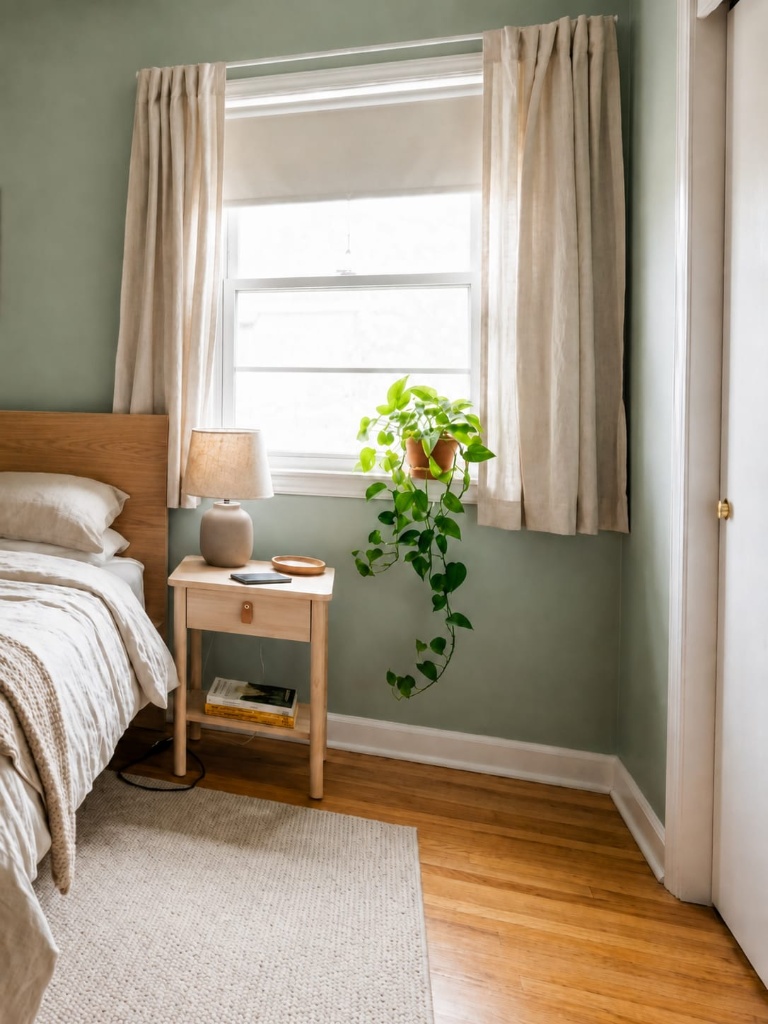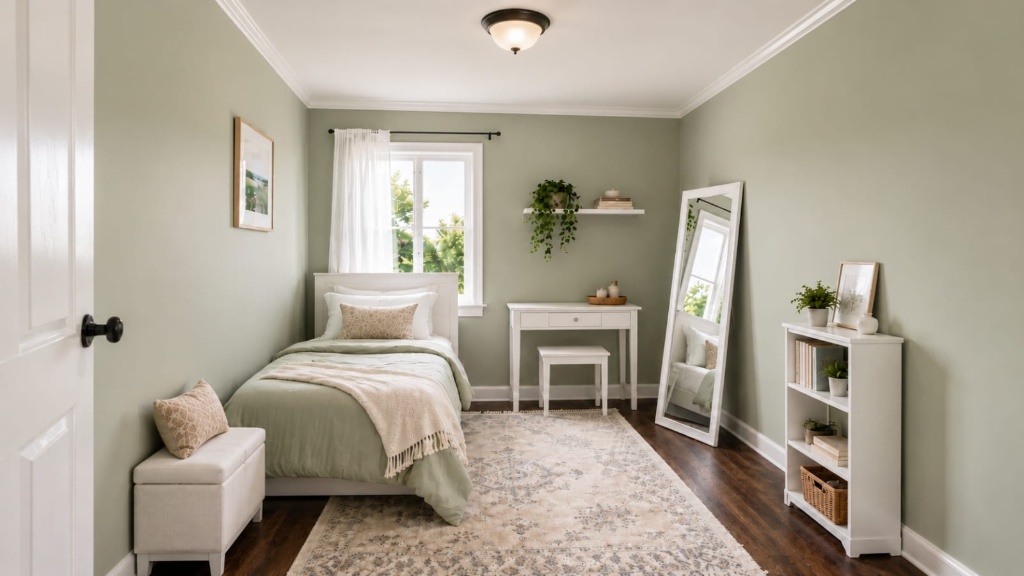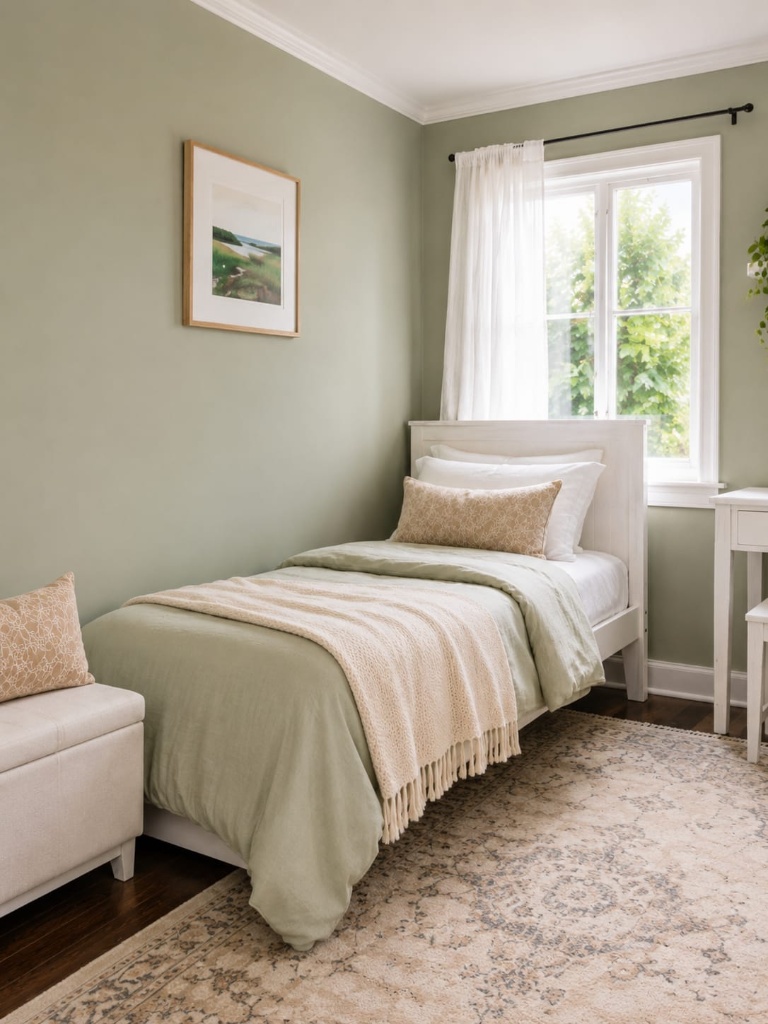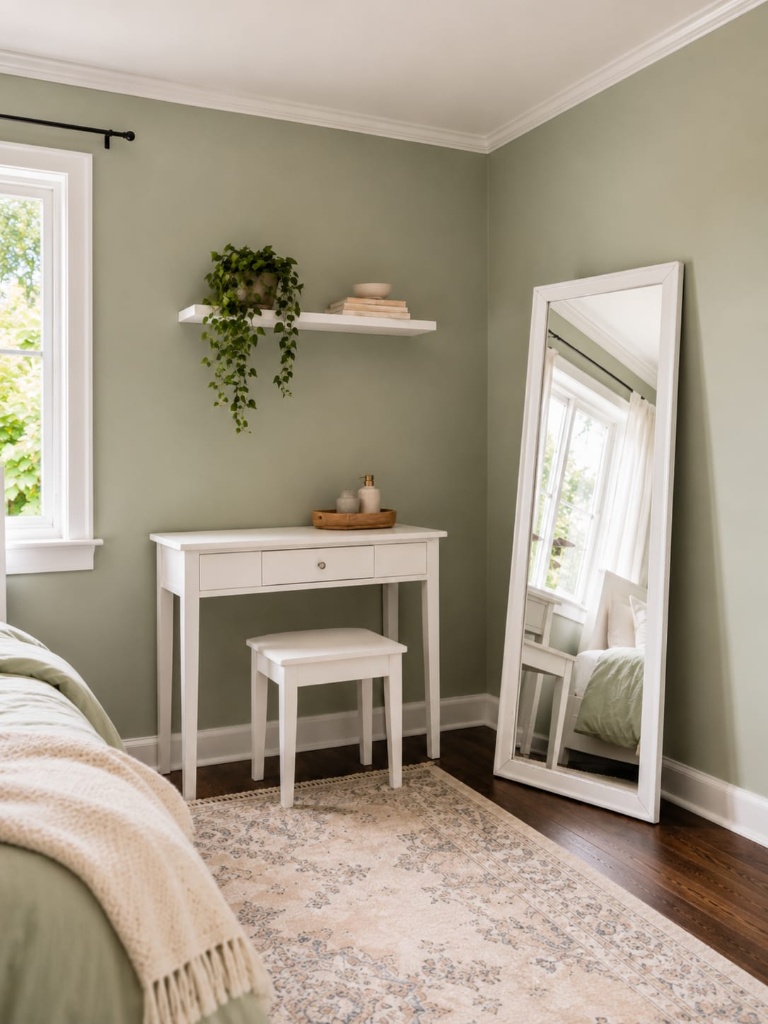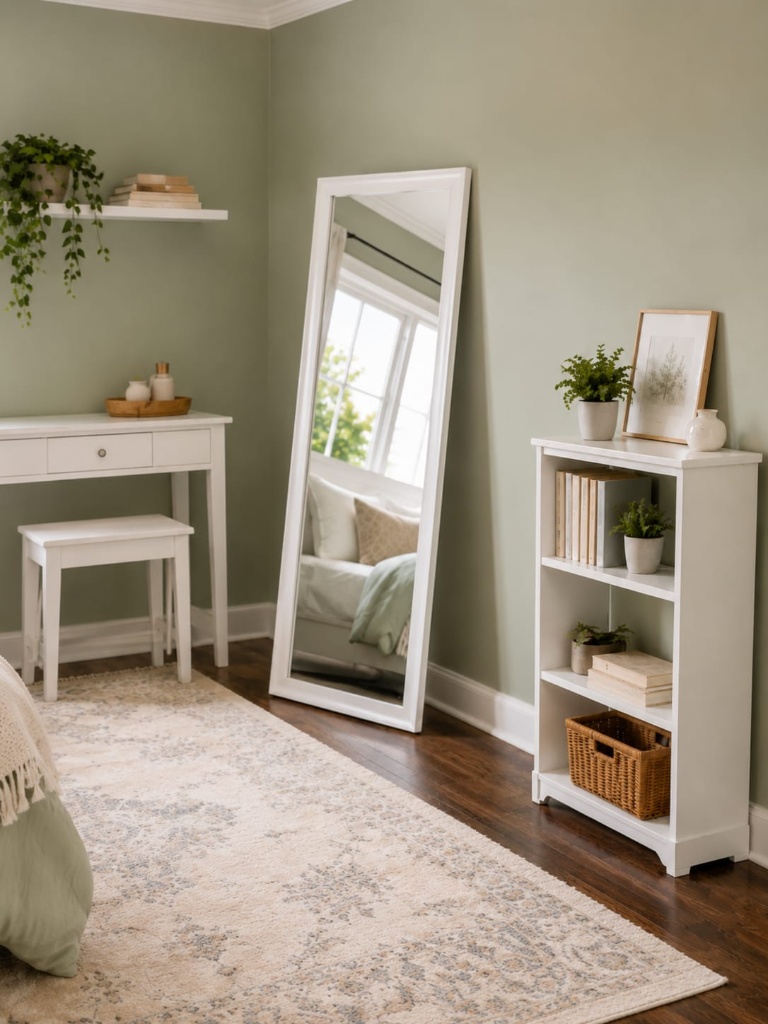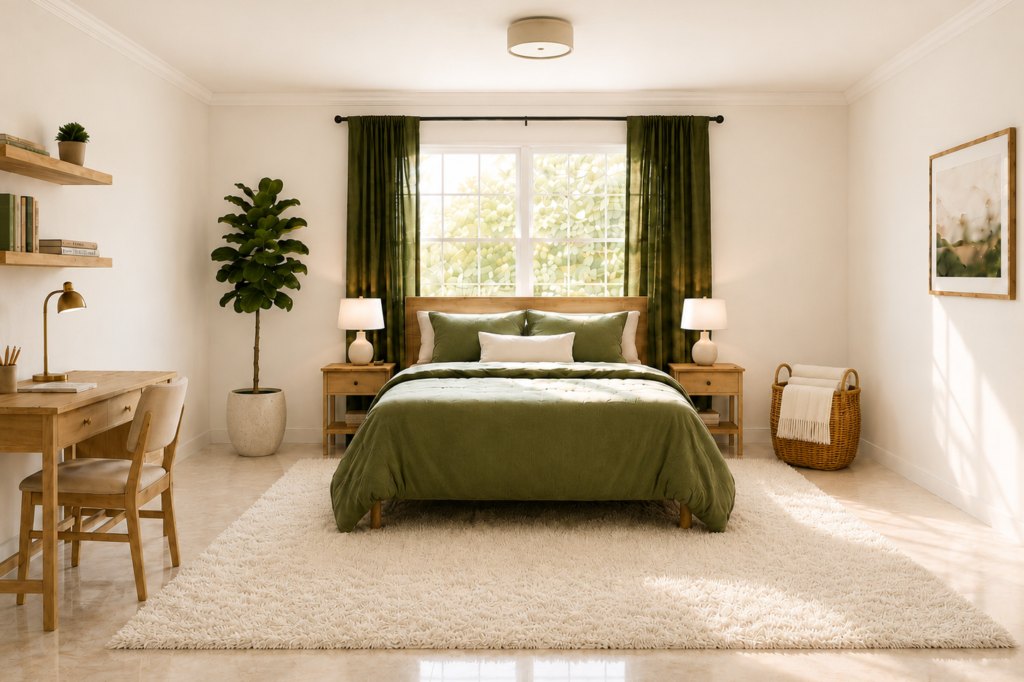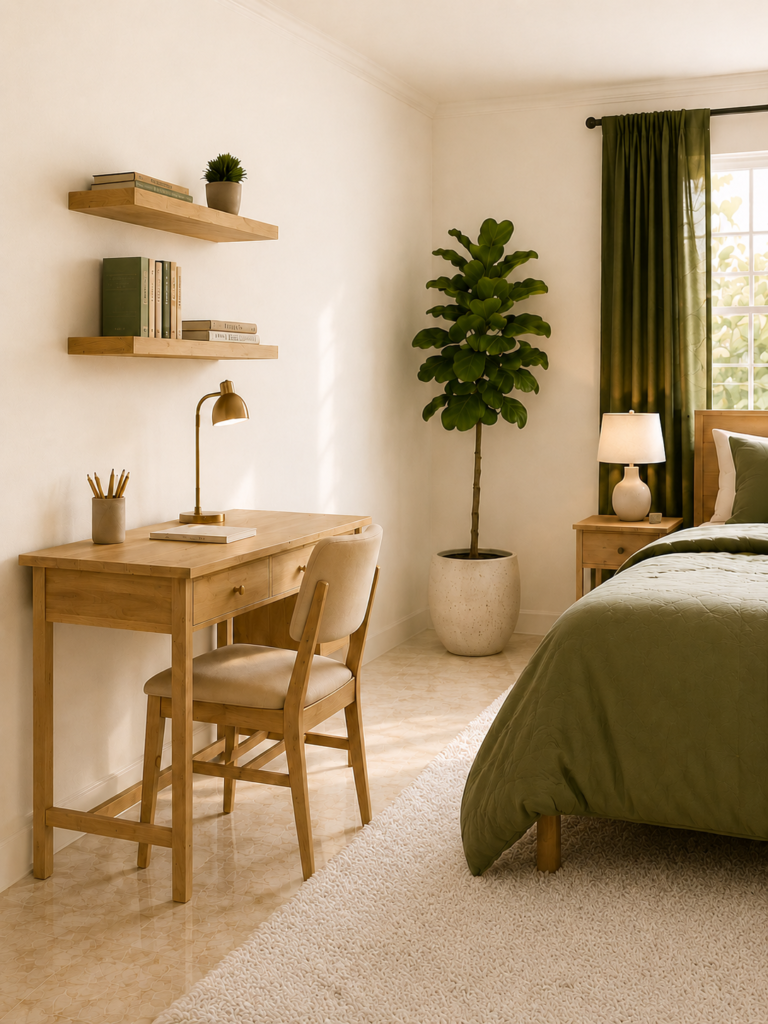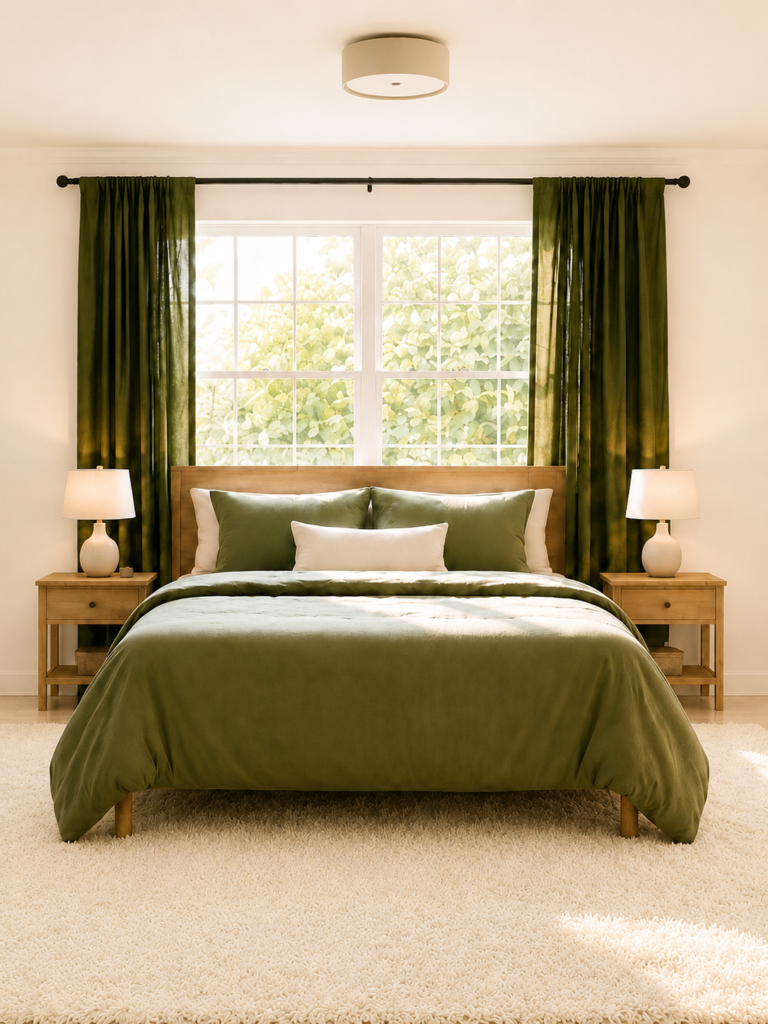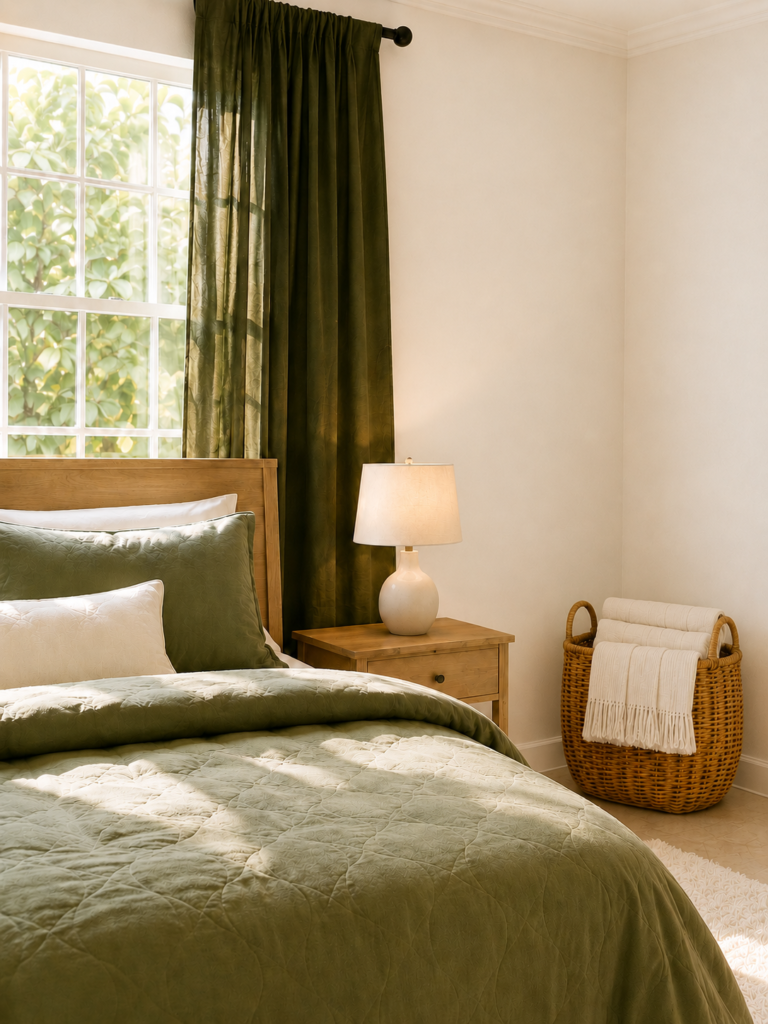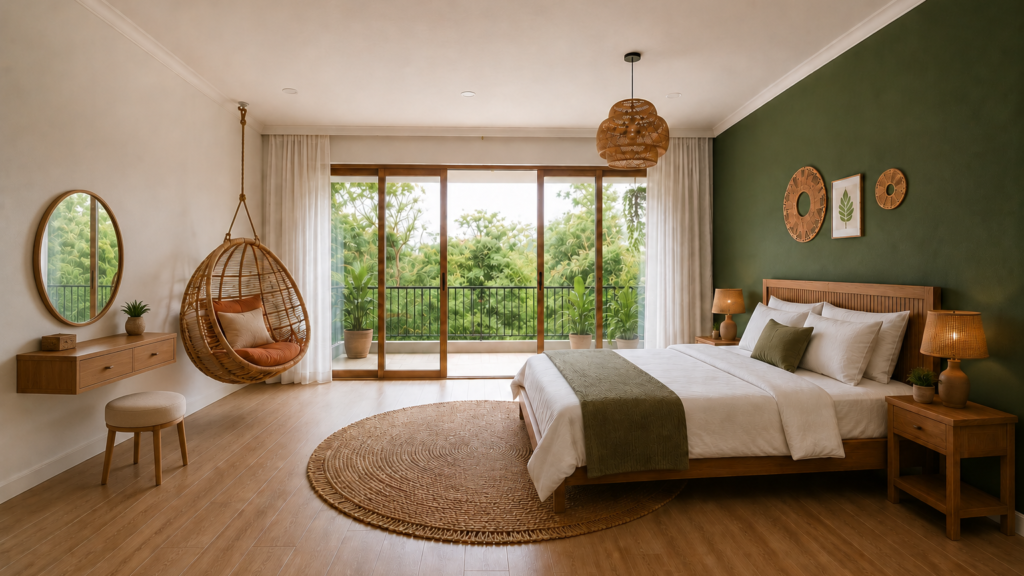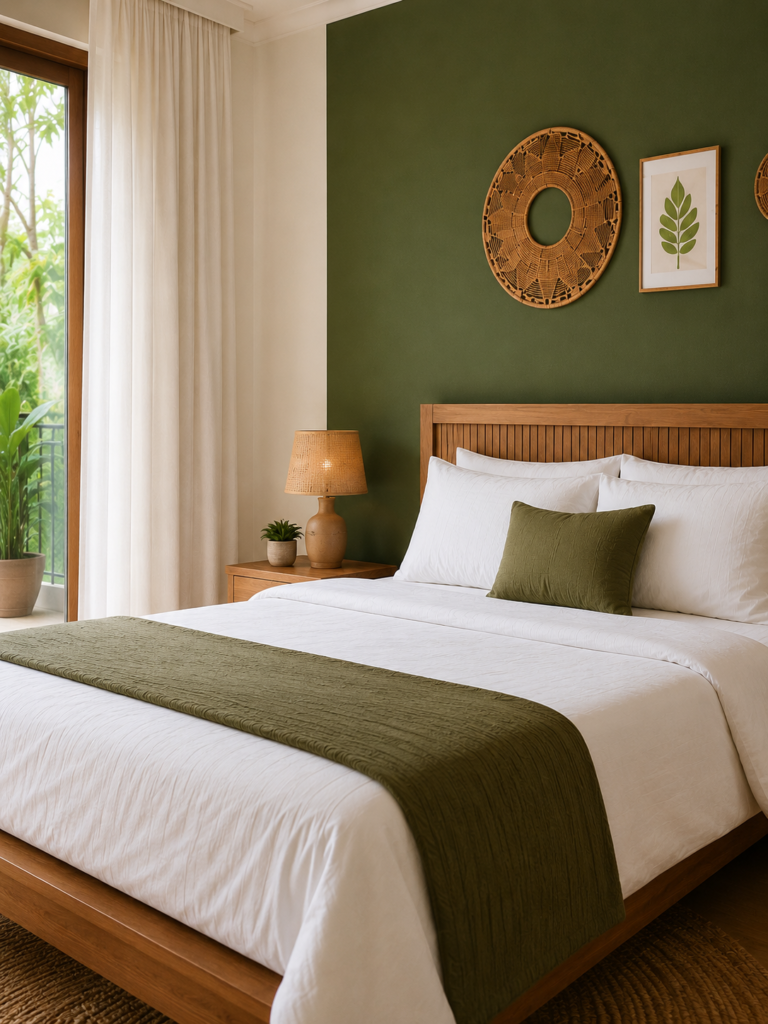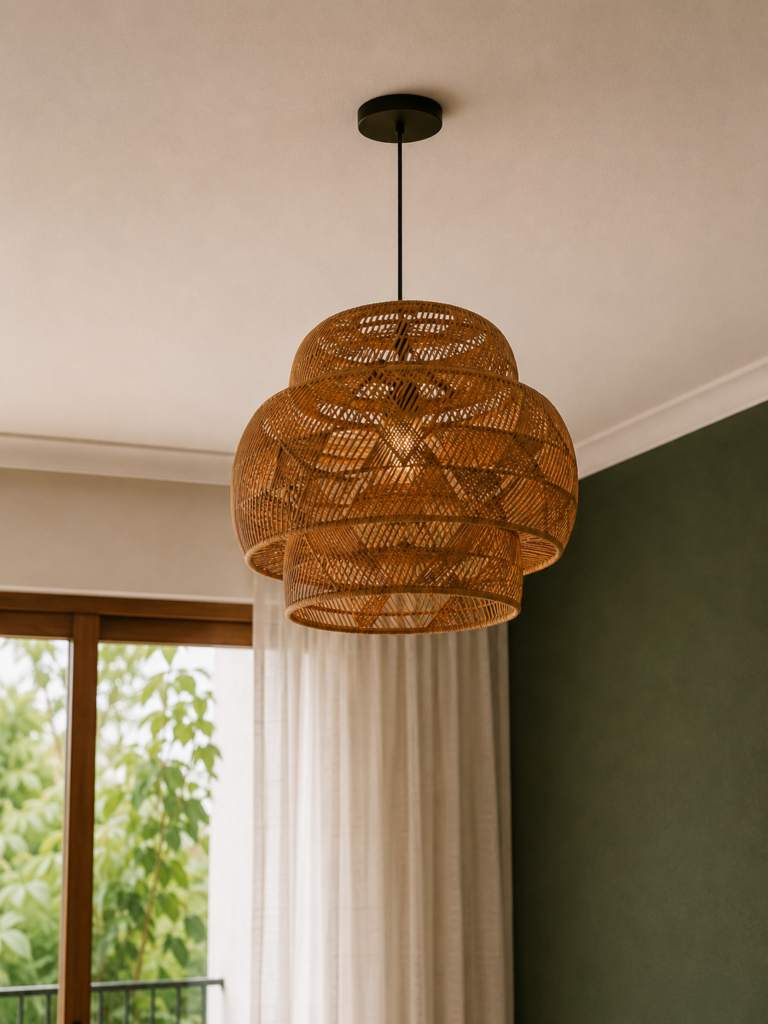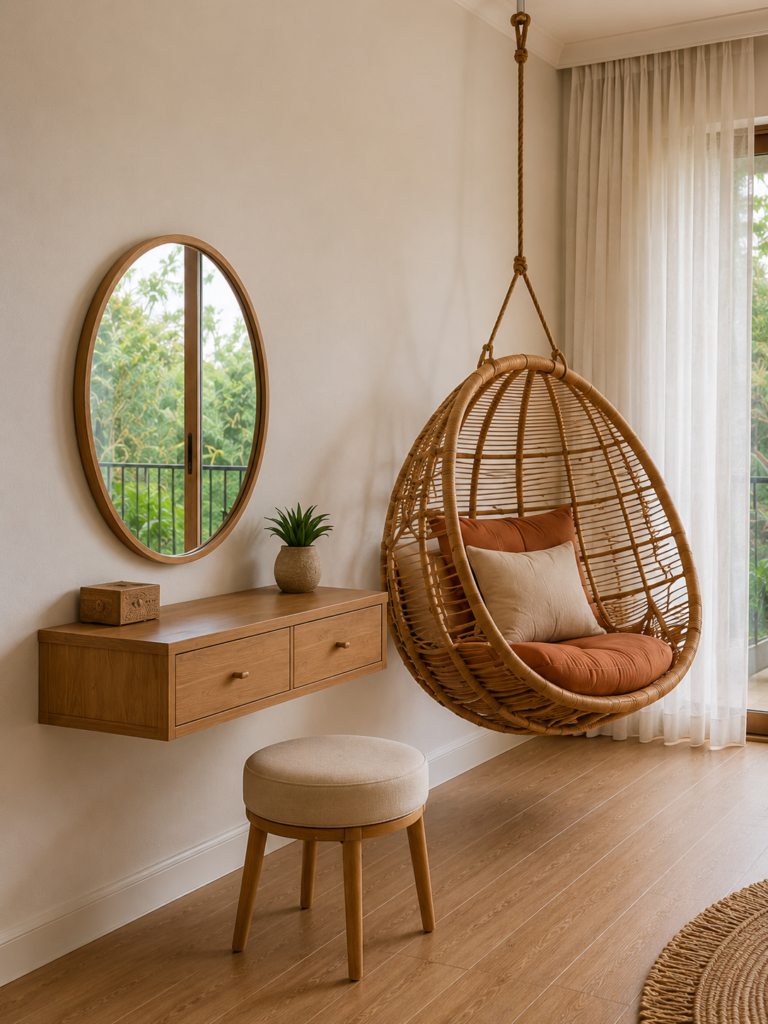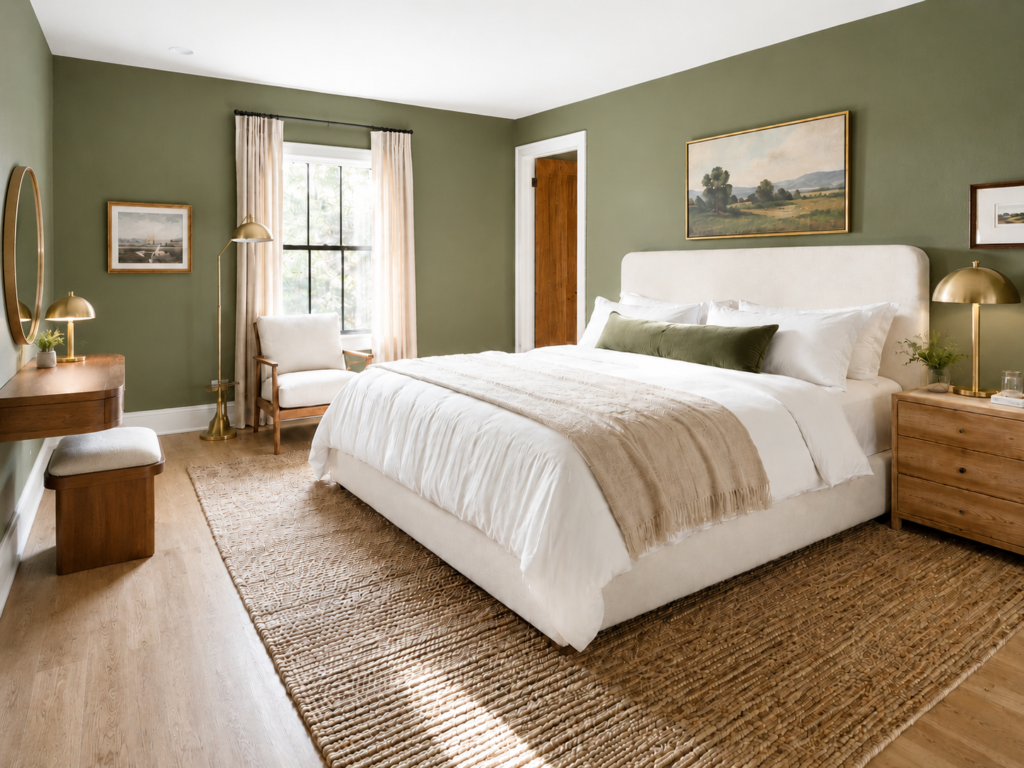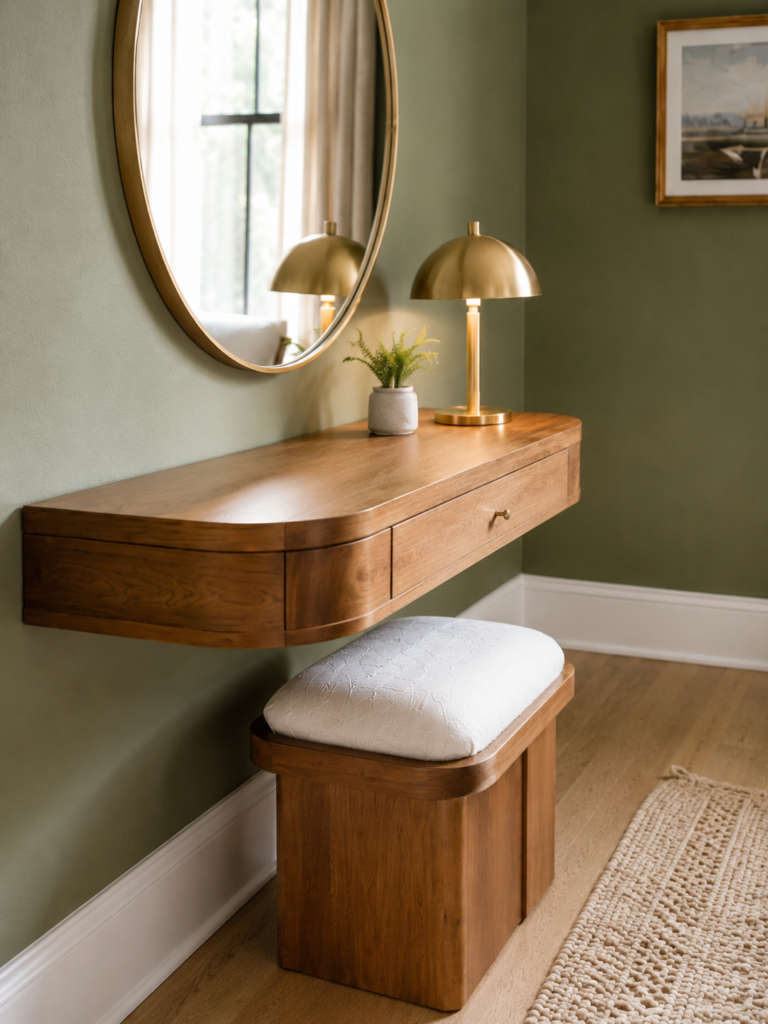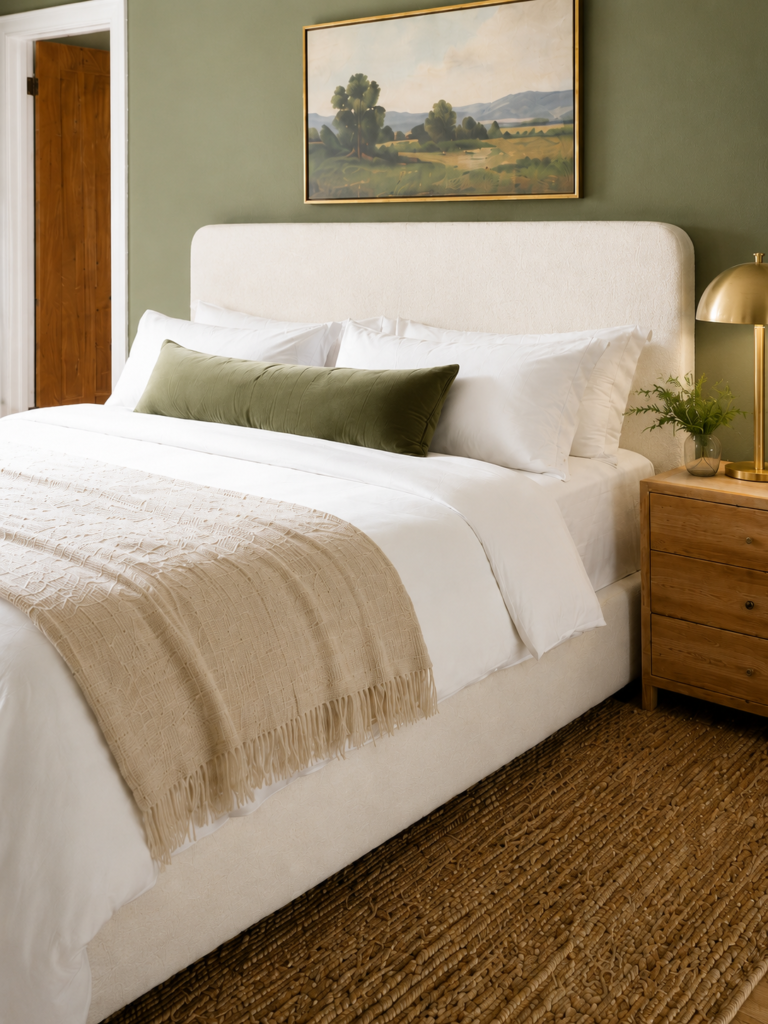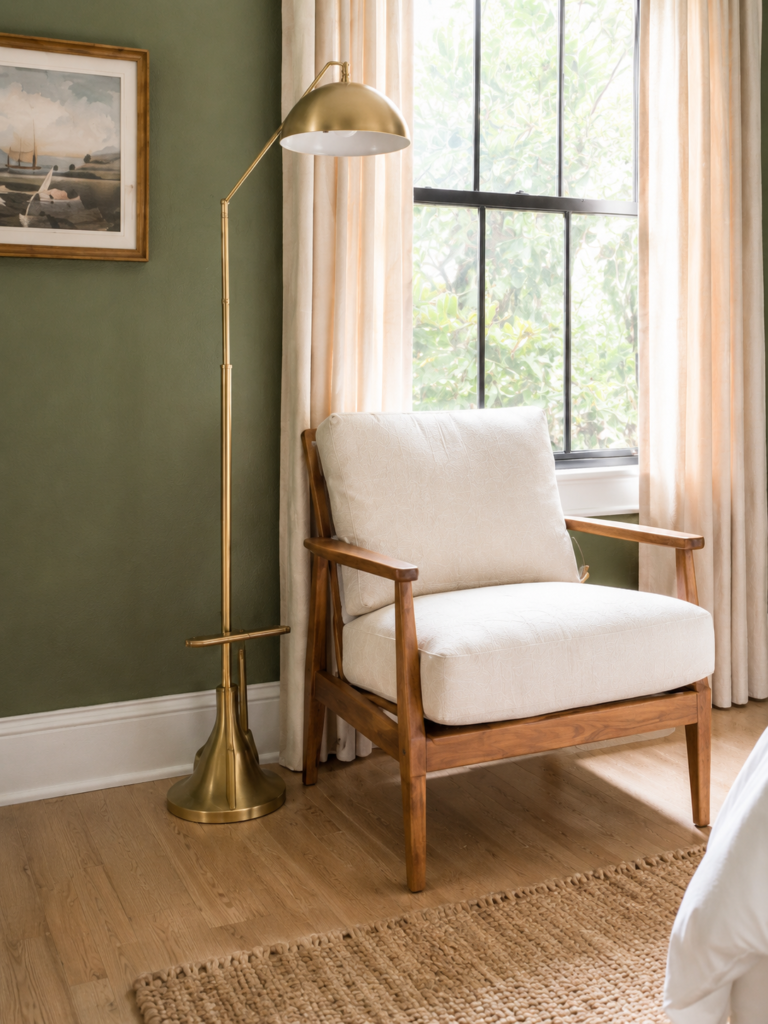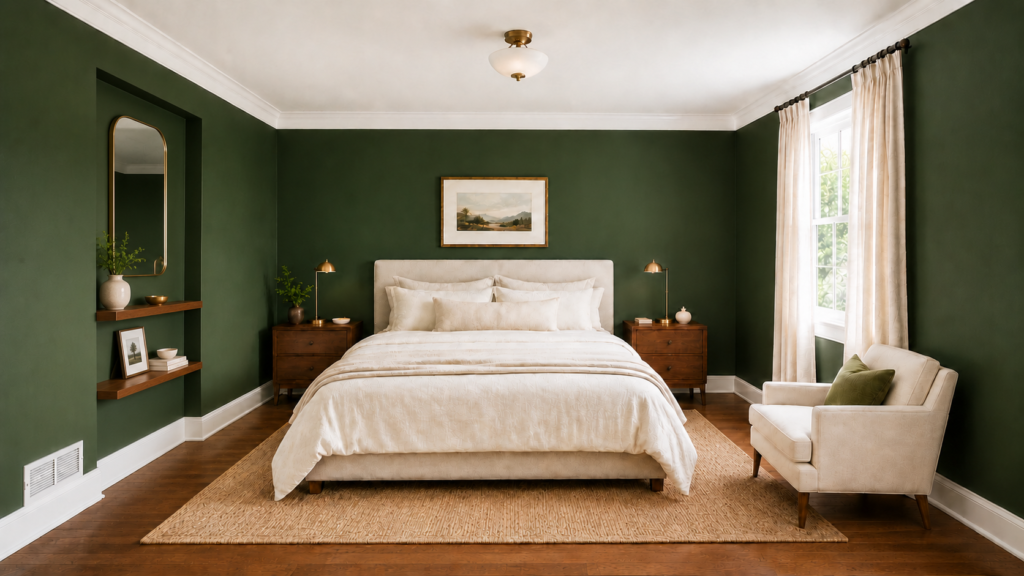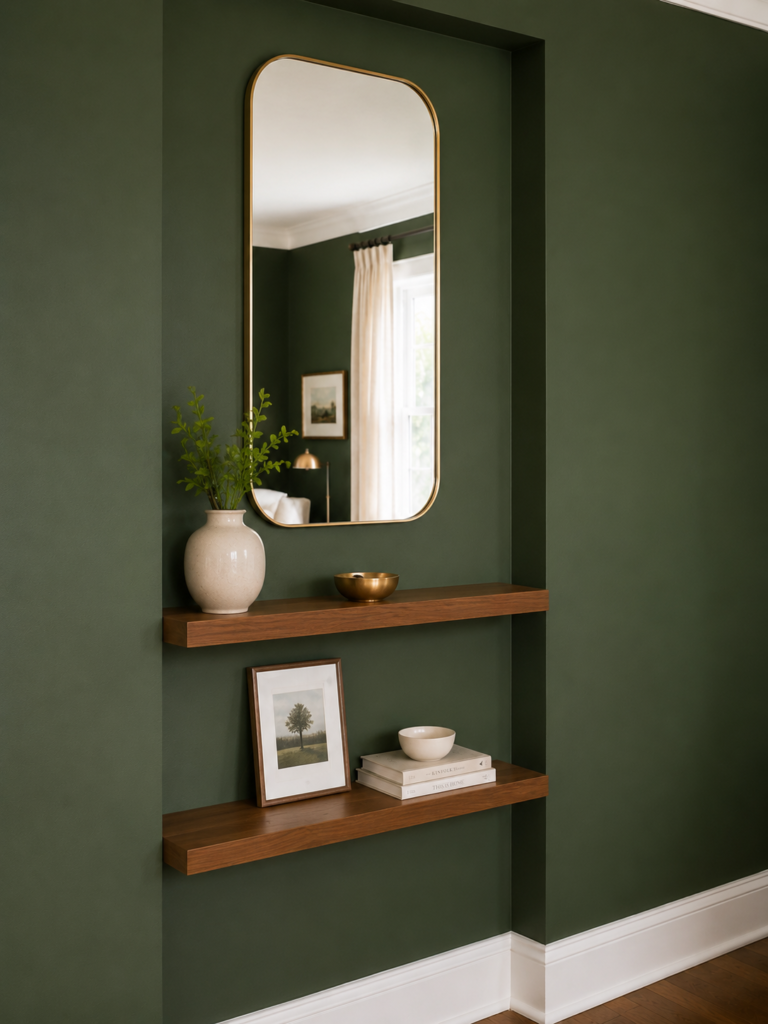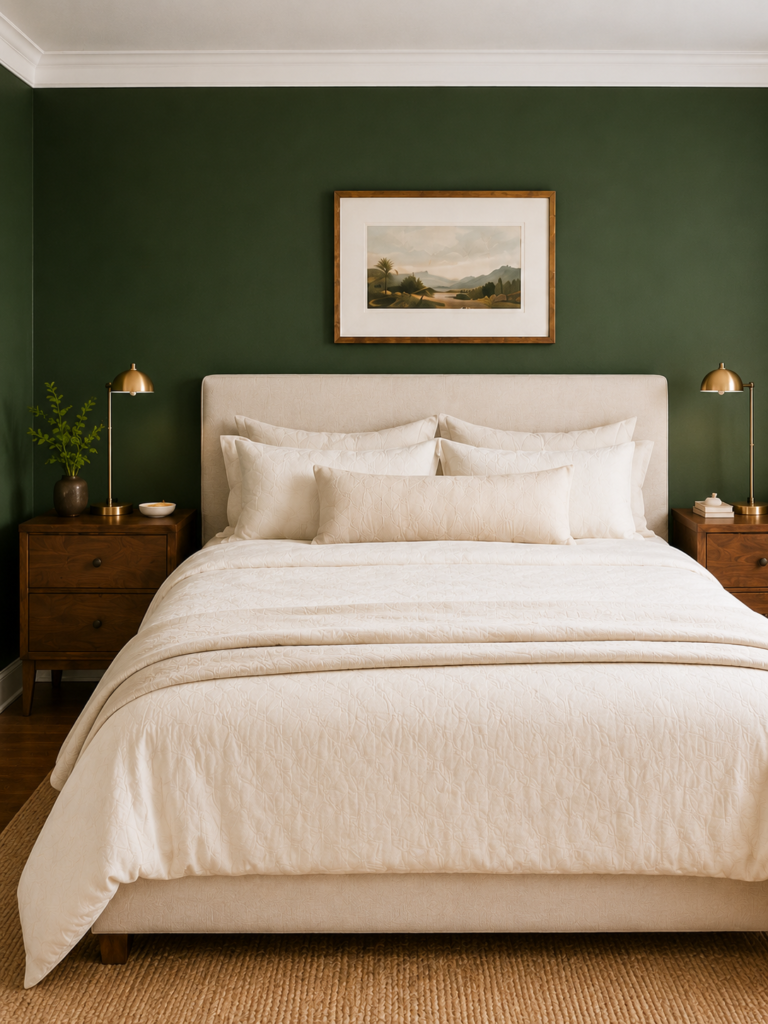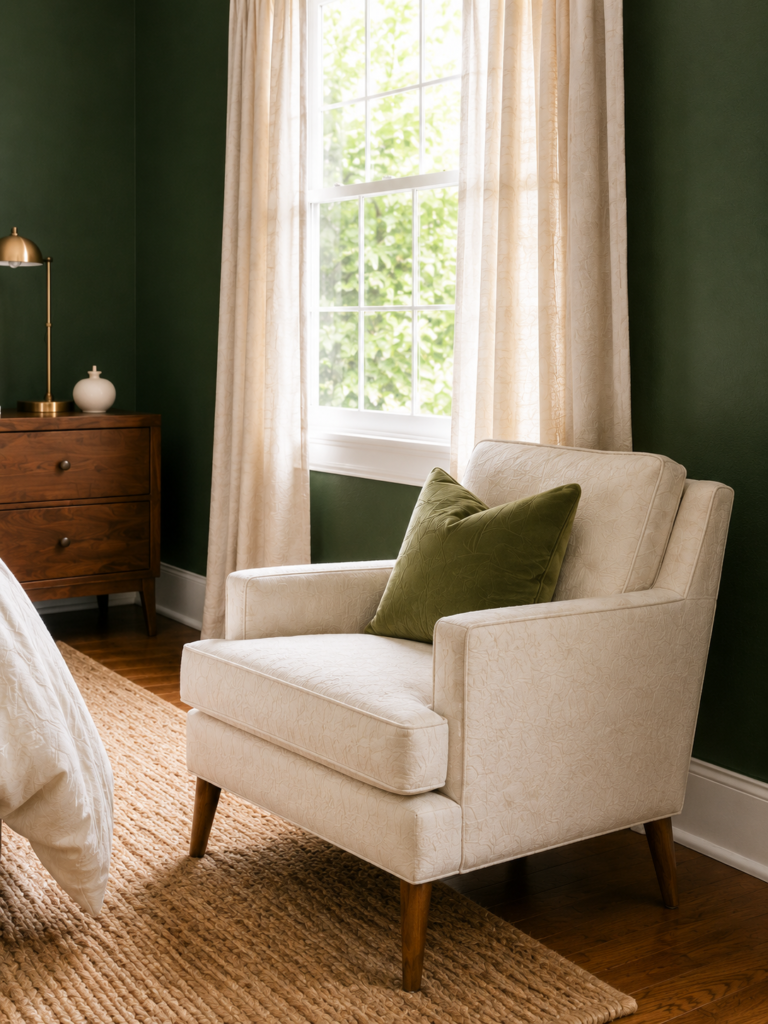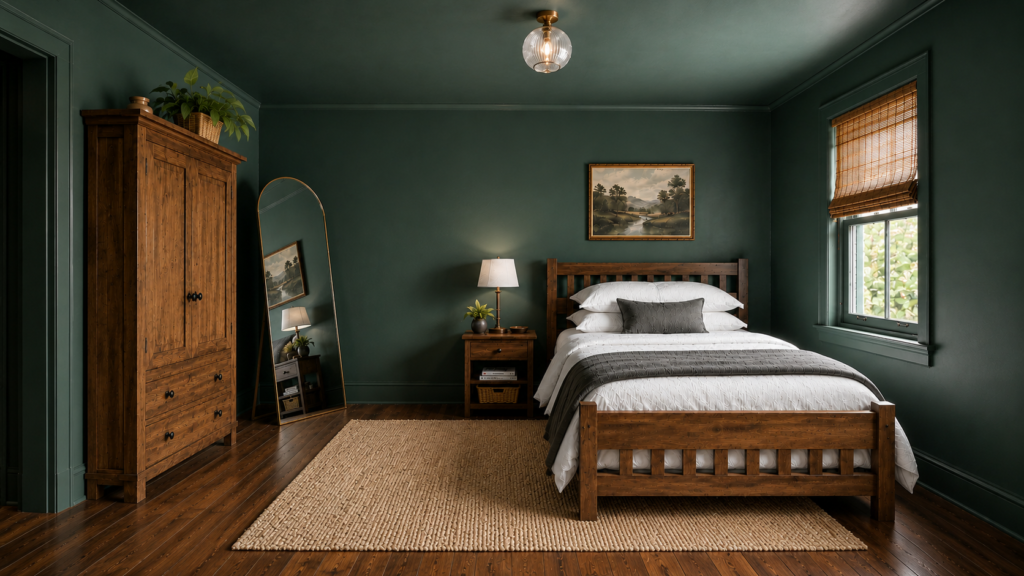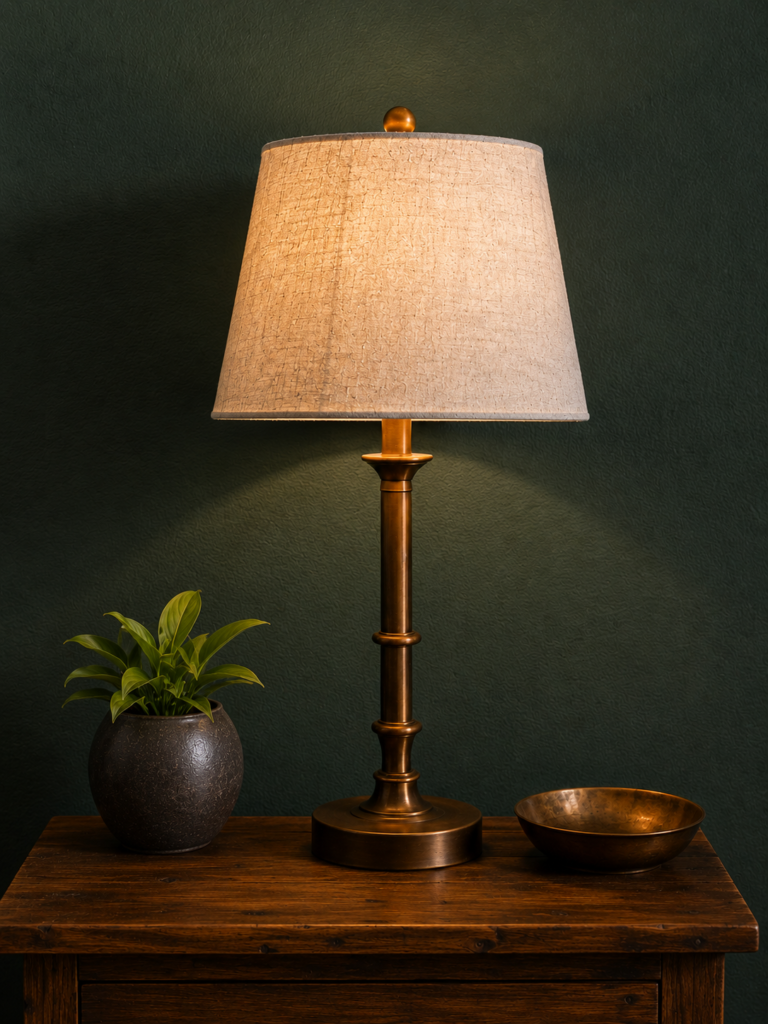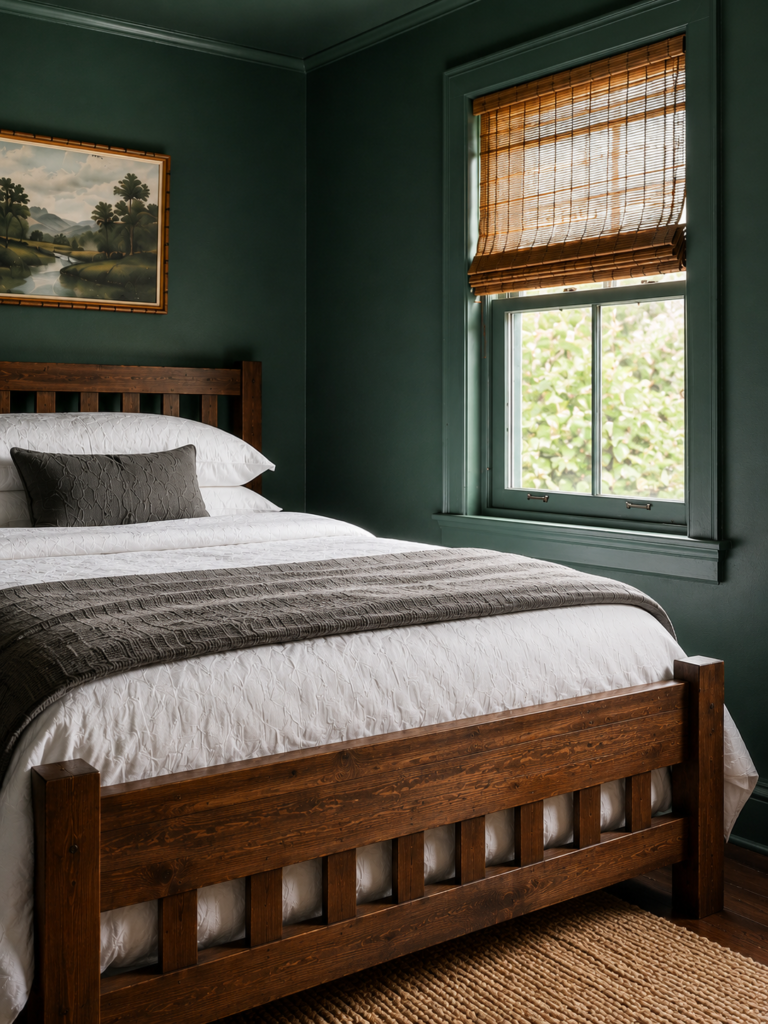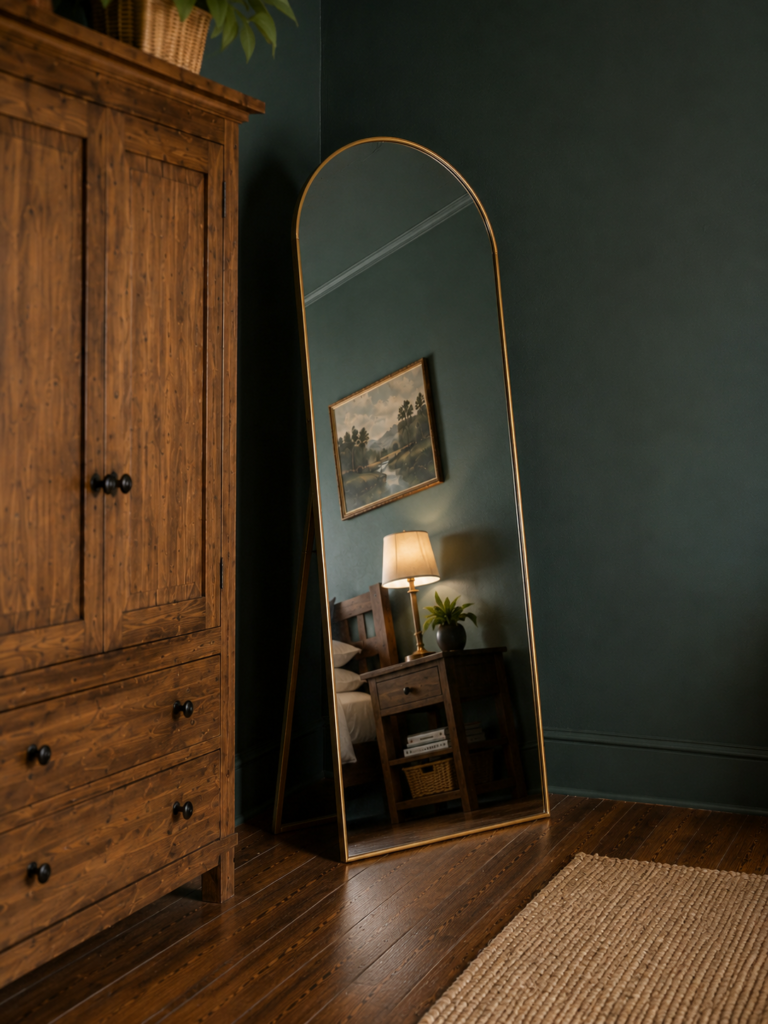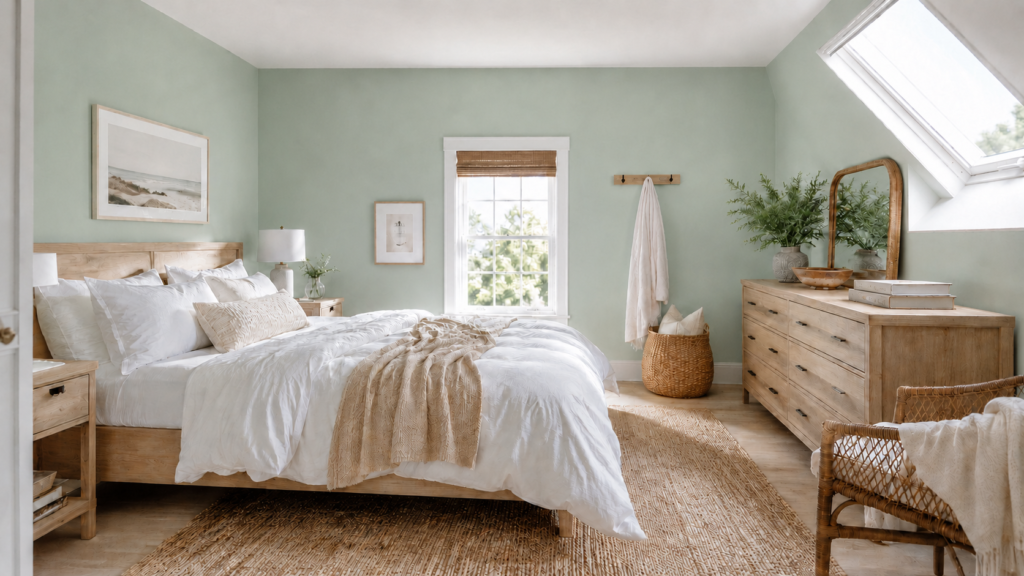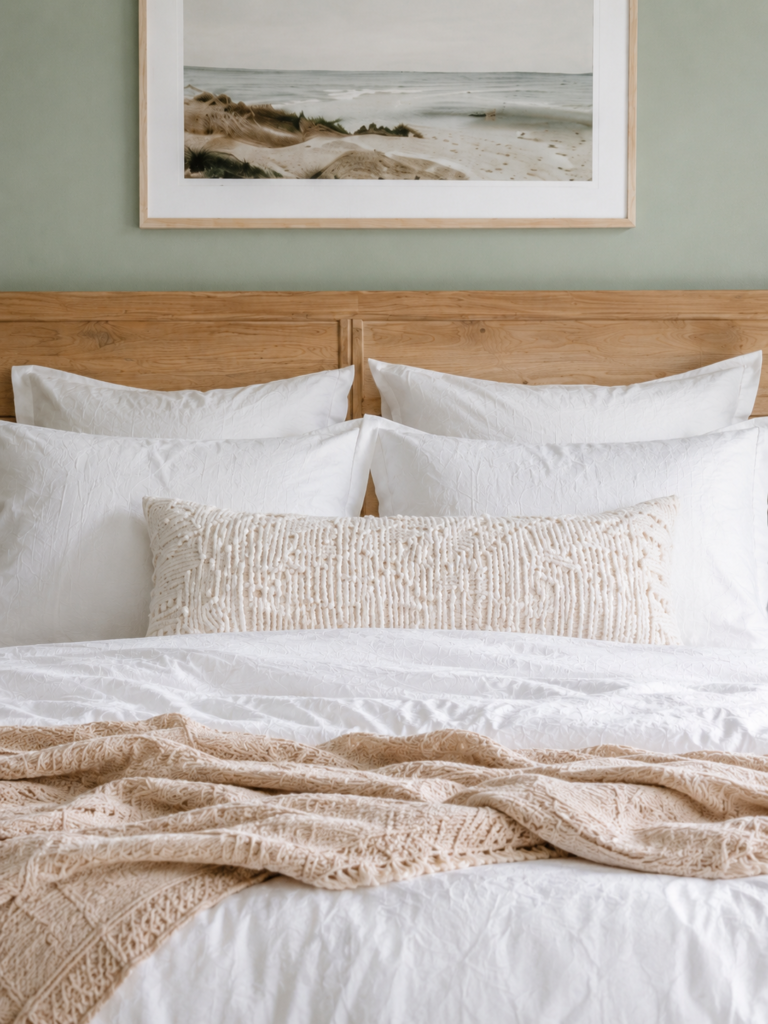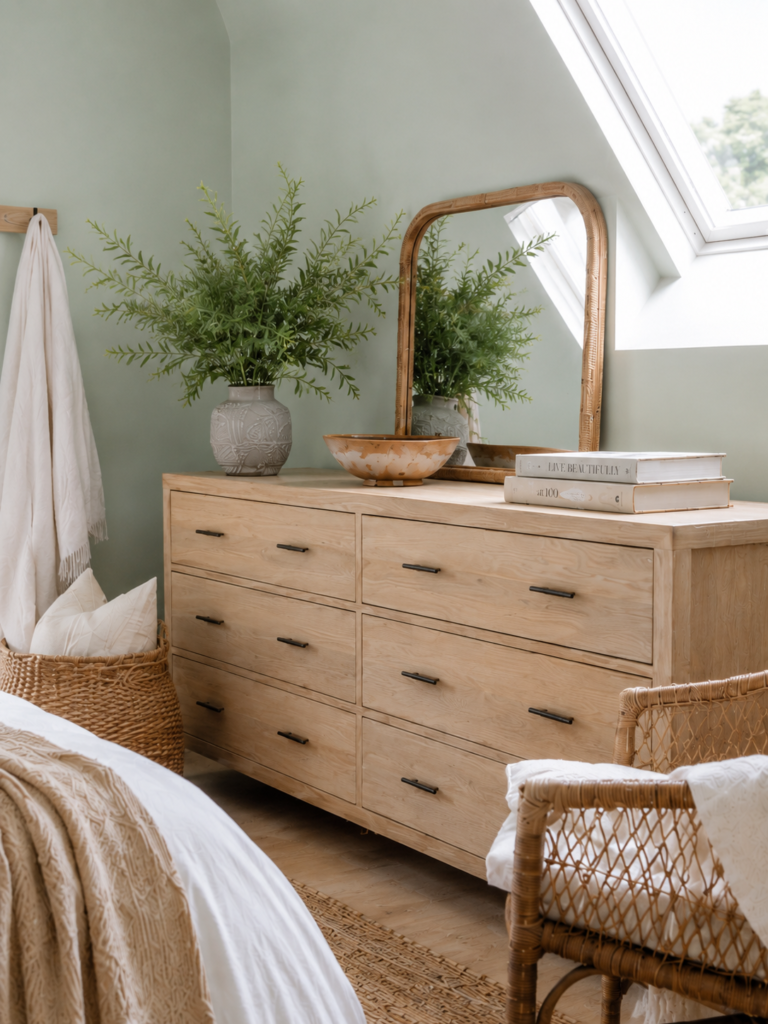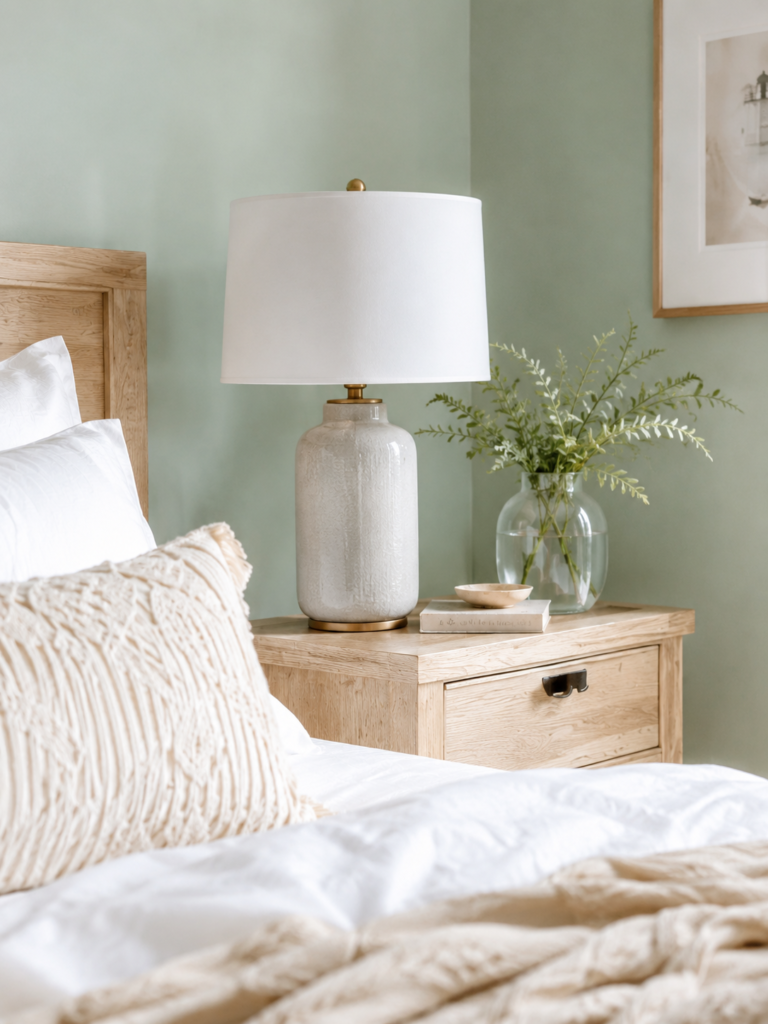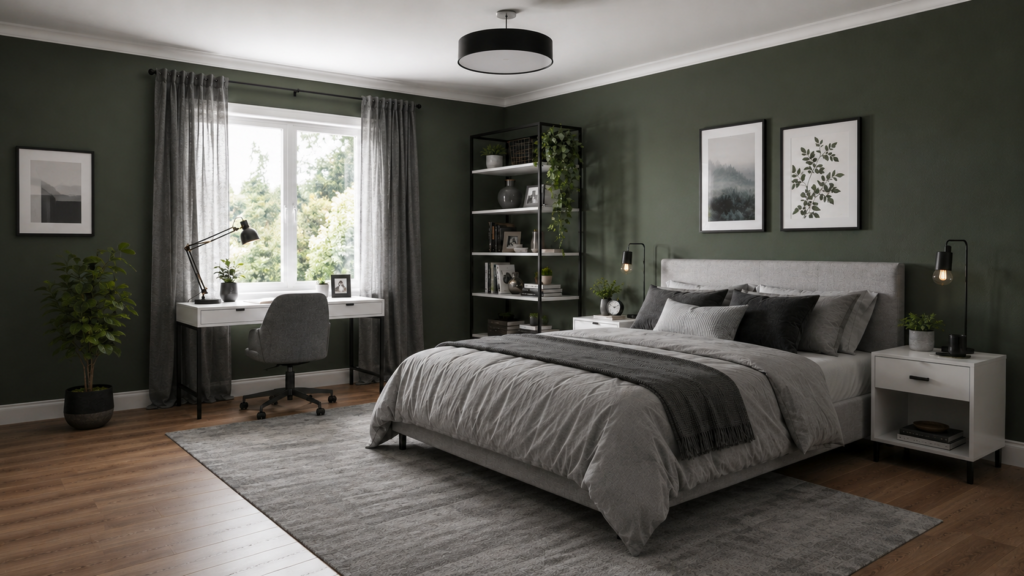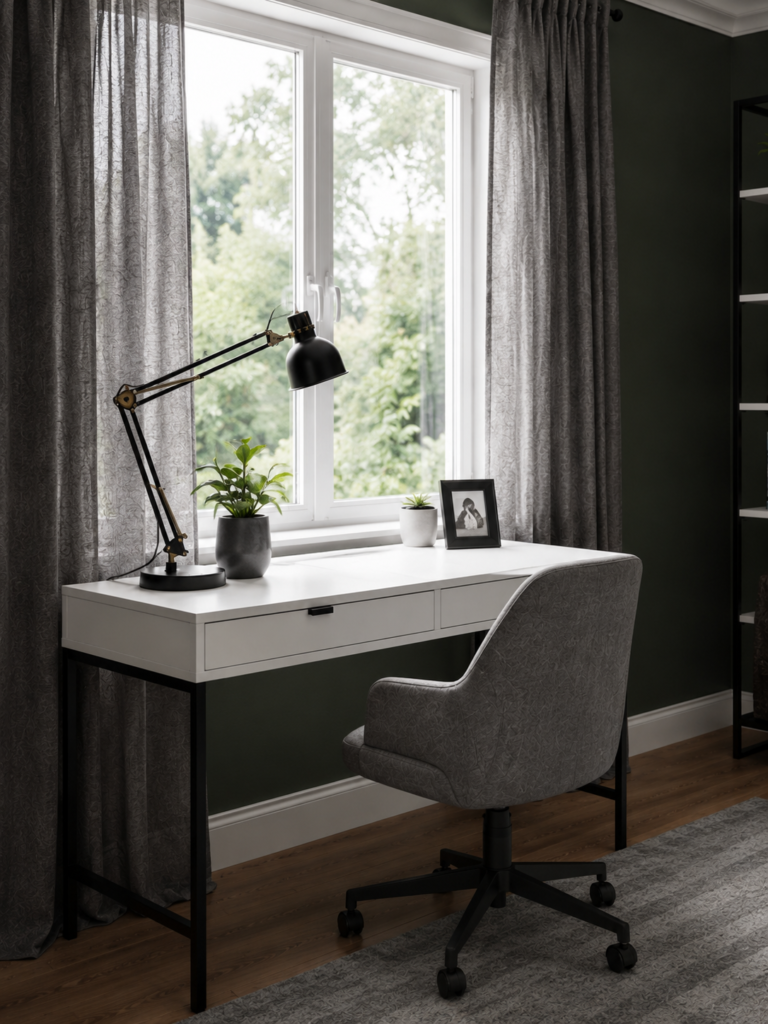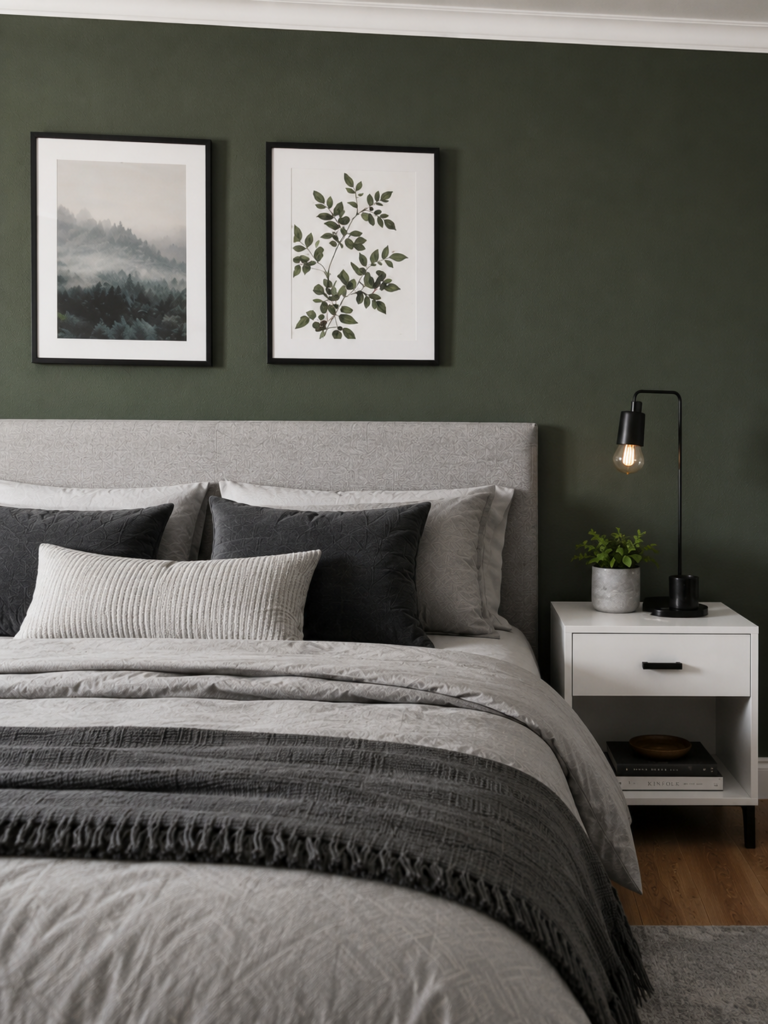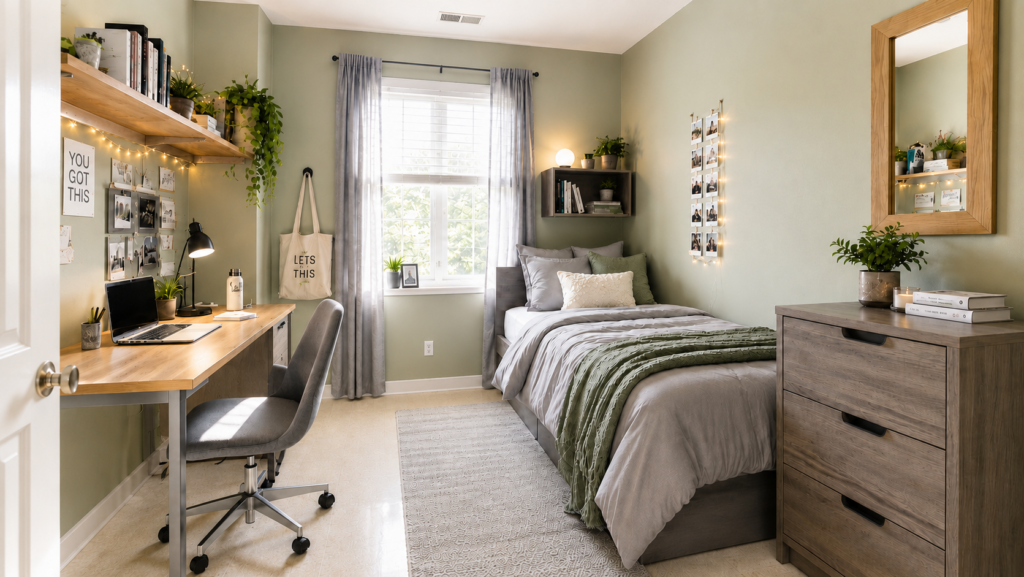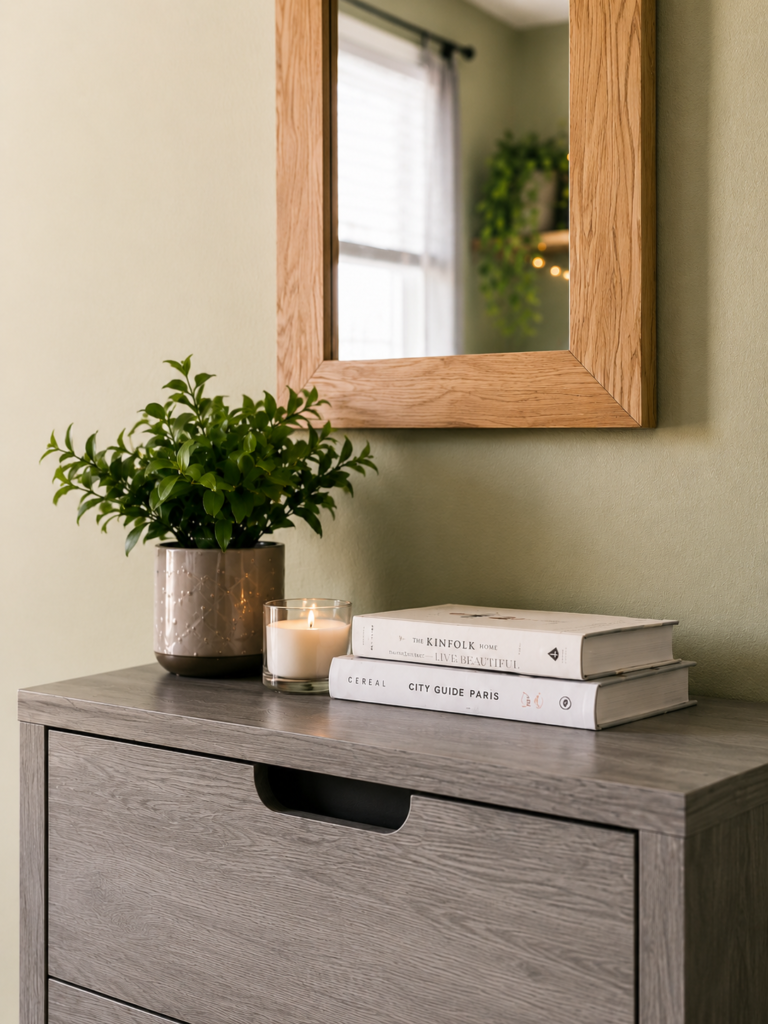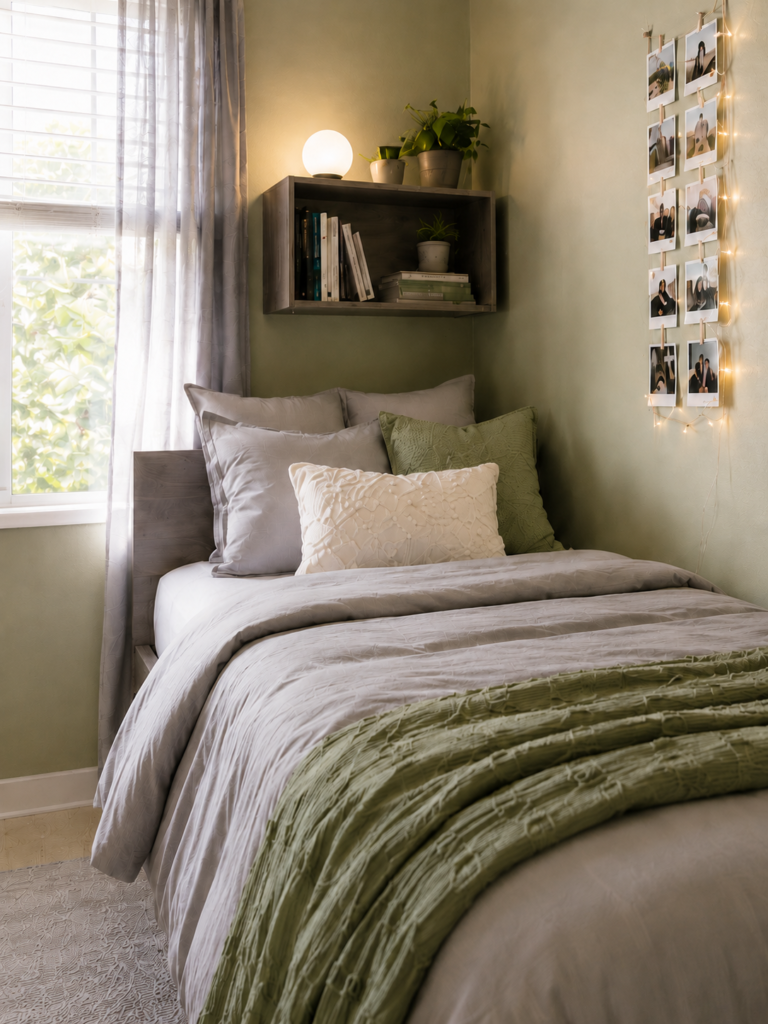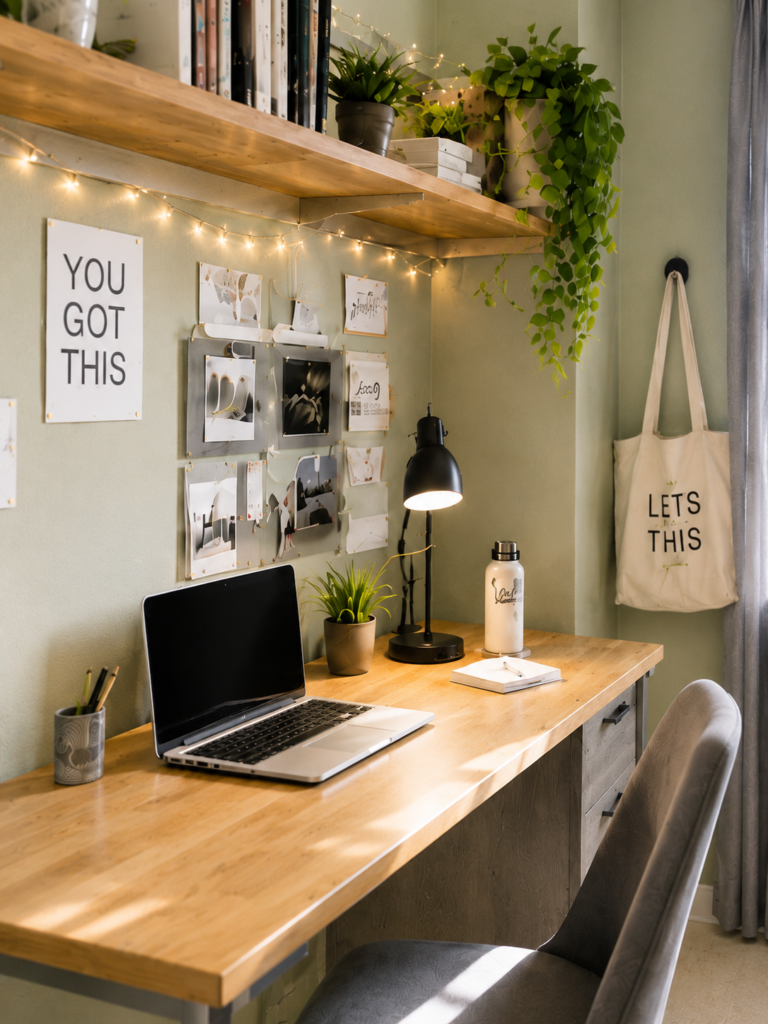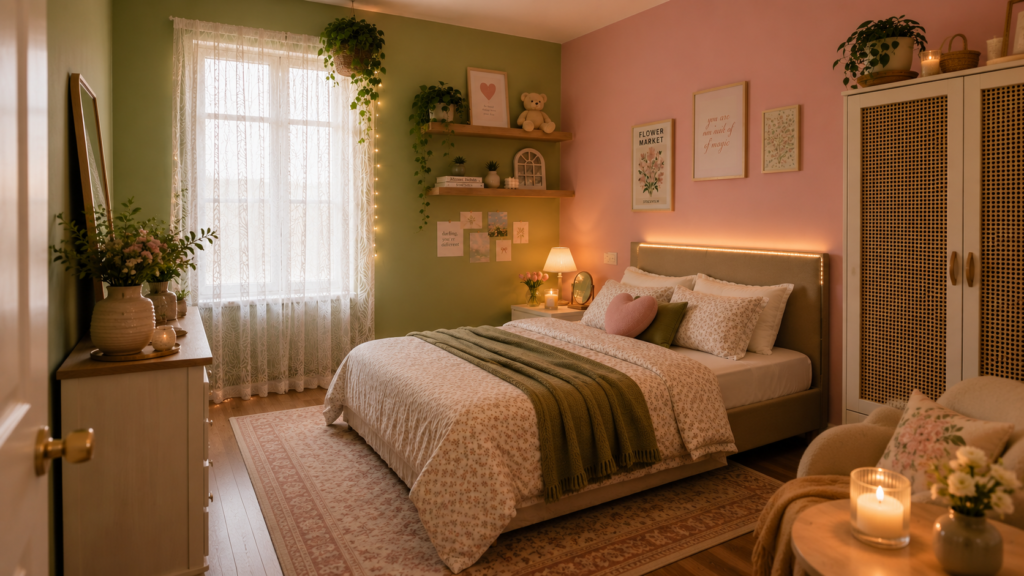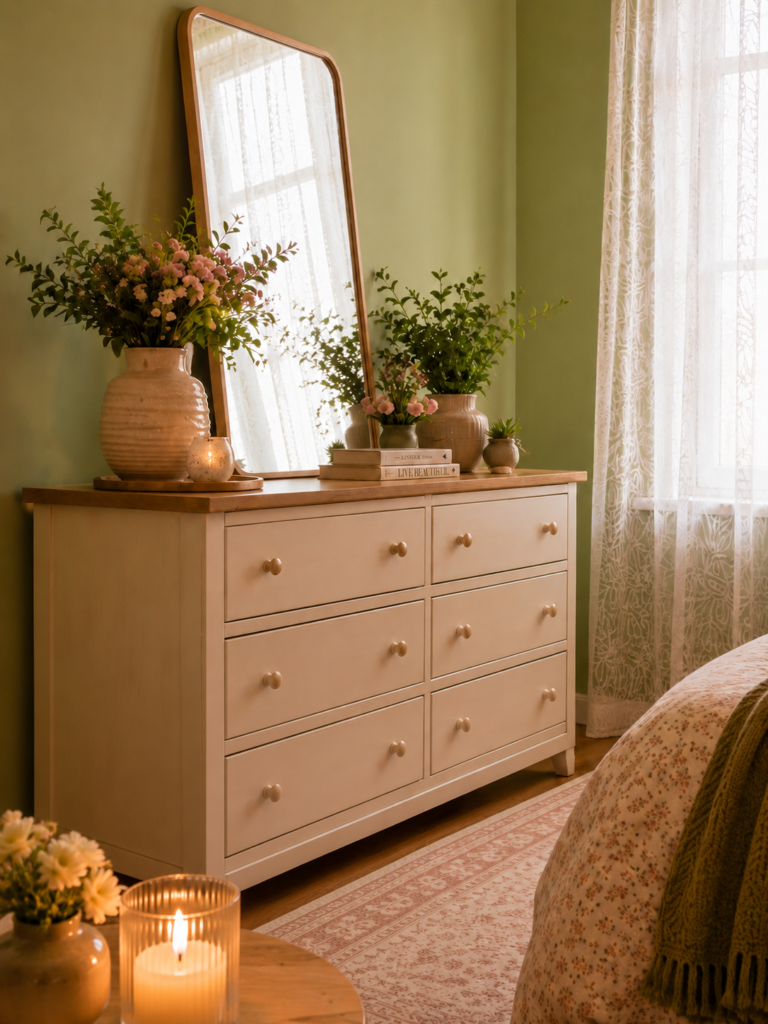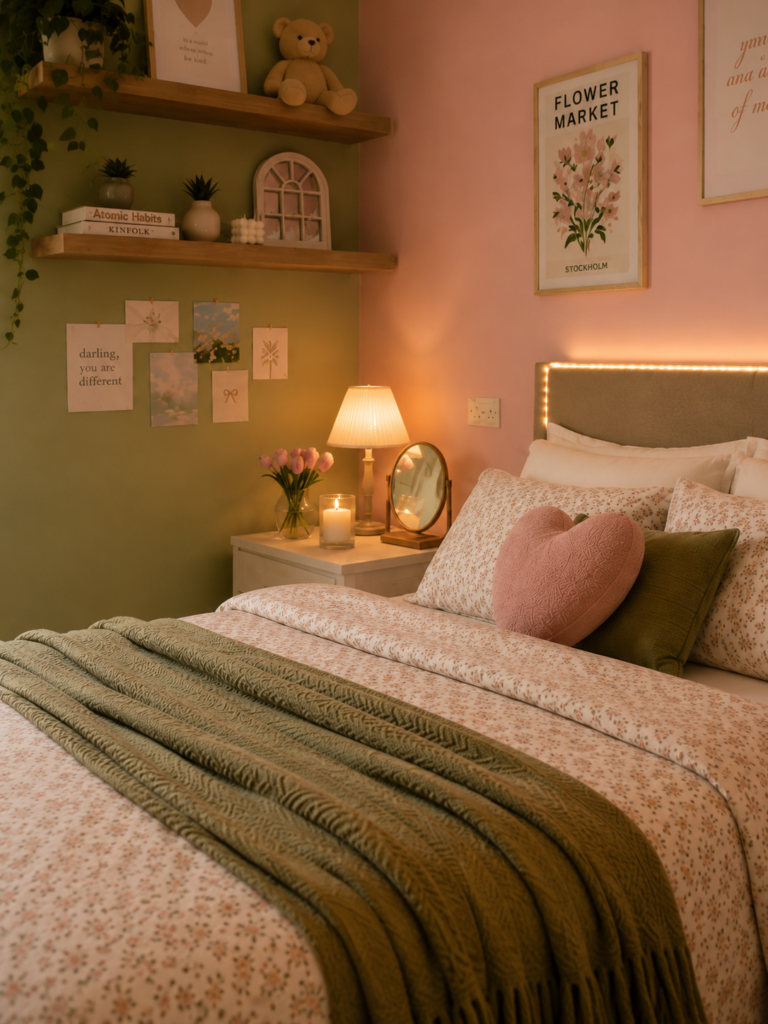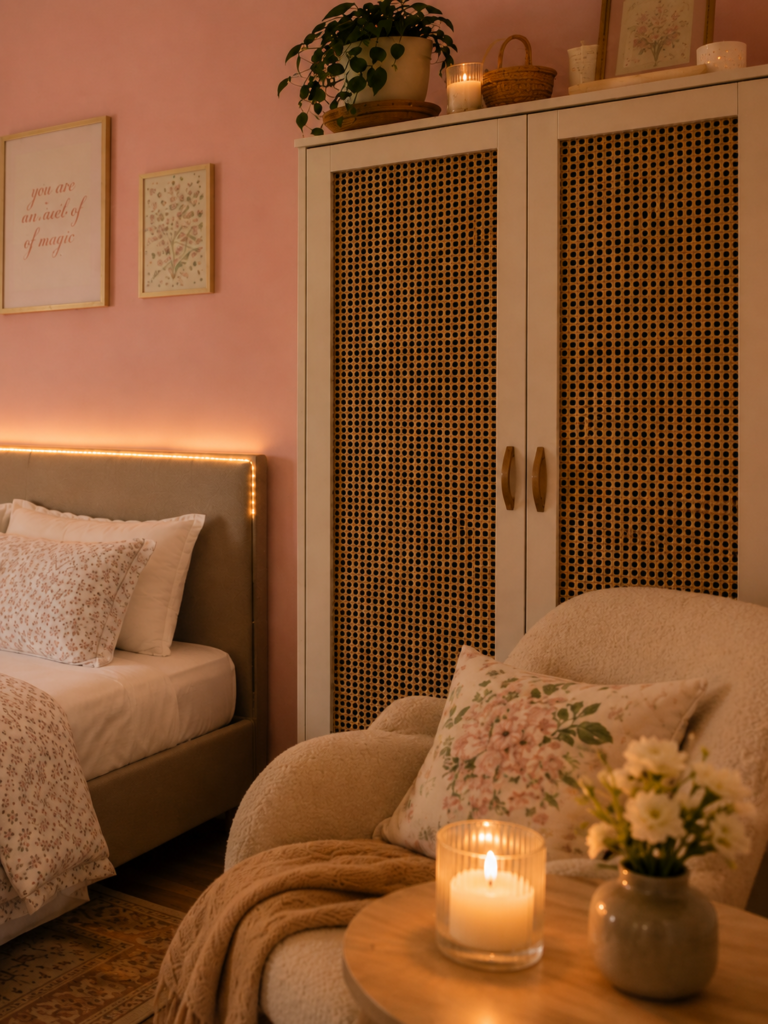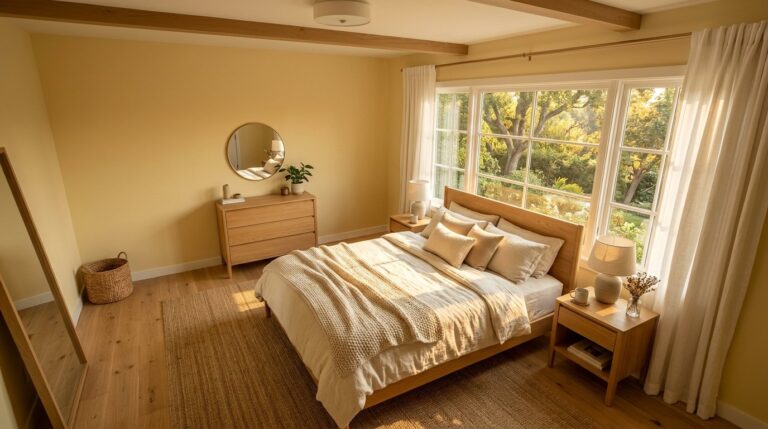
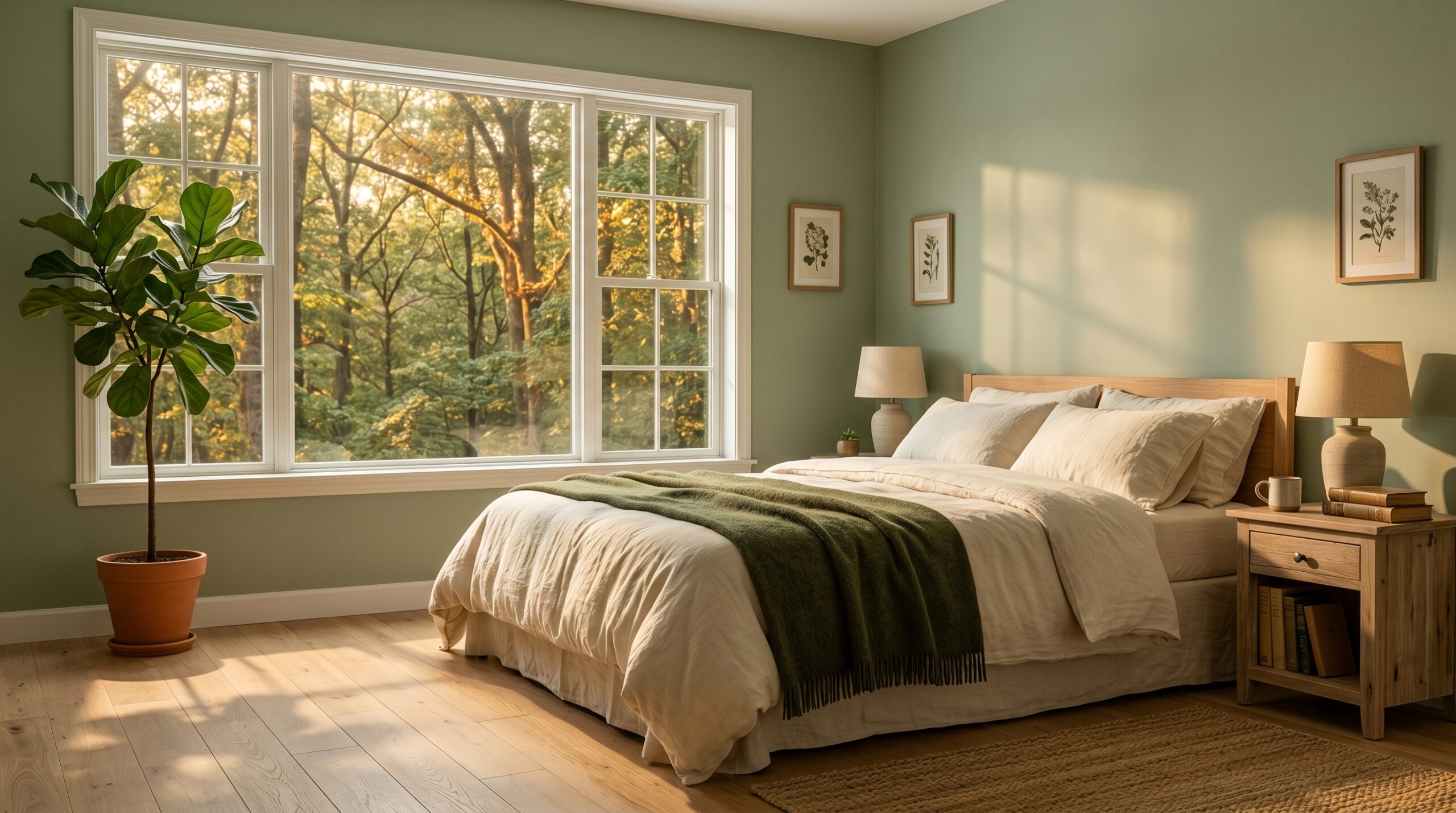
Cozy modern bedroom with sage green walls and a large window overlooking trees in bright morning light.
|

Why Your Green Bedroom Will Finally Give You The Rest You Crave

Last spring I stood in a client’s master suite staring at a four thousand dollar mistake. Sarah had spent three weeks and a small fortune painting her room a bright neon lime. The goal was energy but the result was a headache. She could not sleep. Her heart rate stayed high. She felt like she was living inside a tennis ball. This is the risk of picking the wrong hue. Does your space feel like a cold hospital ward or a cluttered attic? Are you waking up tired even after eight hours of rest? Can a single choice in paint really change how your brain relaxes at night? I have seen people spend twelve thousand dollars on new mattresses when all they needed was a gallon of mossy paint. The right shade creates a sanctuary that lowers your pulse. The wrong one keeps you on edge. This guide will show you how to build a space that feels like a deep breath in a forest. If you are still comparing green, neutral, warm, and dark palettes, my full guide to bedroom color combination ideas can help you choose colors that work with your room’s light, size, and sleep mood. We will look at why some greens fail and how to pick one that lasts a decade.


Executive Summary

This guide provides a clear path to building a green bedroom that supports deep sleep and calm mornings. You can expect to see a thirty percent drop in visual stress within two weeks of changing your palette. I cover how to select the right saturation for your light and how to mix textures to avoid a flat look. We look at cost ranges from two hundred dollars for a simple paint refresh to five thousand dollars for a full textile overhaul. I share why dark forest tones actually make small rooms feel larger which is a point many designers miss. We will explore specific brands like Farrow and Ball and Sherwin Williams to see which products offer the best depth. This article excludes outdoor spaces and kitchens to focus purely on the sleep environment. You will learn the exact steps to pair a sage green bedroom with natural wood and brass for a high end look. I address the fear that green is too bold or hard to match with existing furniture. By the end you will have a plan to turn your sleeping area into a quiet retreat that feels timeless and personal.


How do you choose the right green bedroom shade for your light?

Three green paint swatches on a white wall next to a rustic wooden stool with dried flowers.

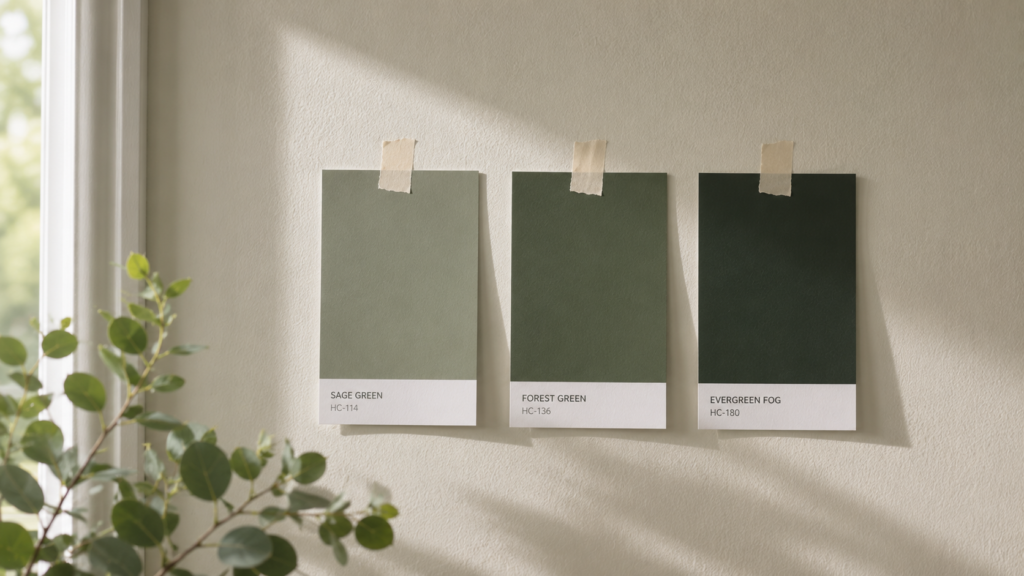
Choosing a green bedroom shade depends on the direction your windows face and the warmth of your bulbs. North facing rooms need warm greens with yellow bases to fight gray shadows. South facing rooms can handle cool mints or deep forest tones because the bright sun balances the chill. Always test a large swatch on every wall before you buy ten gallons of paint.

In my experience light is the biggest thief of good design. I once worked on a project in Seattle where the owner wanted a moody olive. We painted a small patch at noon and it looked perfect. By four in the afternoon the room looked like muddy swamp water. This happened because the gray sky outside ate the yellow tones in the paint. I learned that you must live with a color for forty eight hours before you commit. We ended up using Benjamin Moore Fairmont Herb. It had enough gray to stay stable but enough green to feel alive.

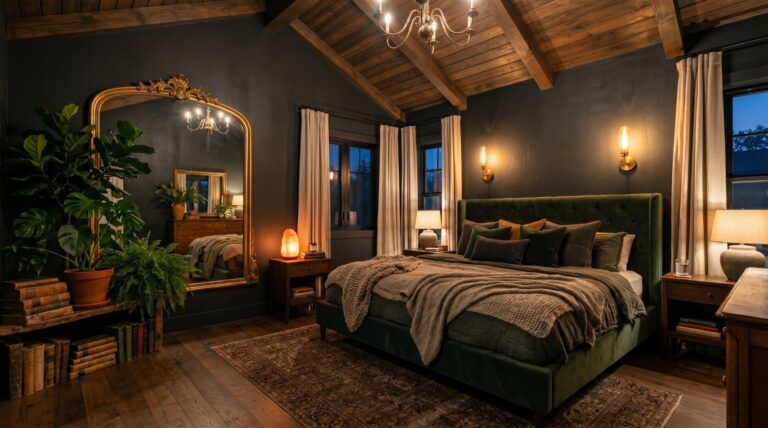
If you live in a place with constant sun like Arizona or Florida you can go very dark. Dark greens like Sherwin Williams Rockwood Shutter Green absorb light. This makes the walls feel like they are receding which actually opens up the room. Most people think dark paint makes a room feel like a cave. I have seen the opposite. A dark green bedroom feels like a hug. It provides a sense of security that white walls never can. If you want to lean further into that cocoon feeling, a dark cosy bedroom approach can help you layer deep color, warm lighting, and soft textiles without making the room feel gloomy.

For those in cooler climates like the Northeast I suggest a sage green bedroom approach. Sage has a silvery quality that reflects the soft light of winter. It does not feel heavy when the sun goes down at four o’clock. I recommend checking out the brand Backdrop. Their paint goes on like butter and the colors are curated so you do not get overwhelmed by five hundred options. Their shade called Weekend Upstate is a classic for a reason. It costs about seventy dollars a gallon and covers well in two coats.

Step by step testing is simple. Buy three sample pots. Paint a two foot square on a piece of white foam board. Move that board to different walls at morning noon and night. Look at it with the lights off and the lamps on. This takes three days but saves you years of regret. If you skip this you might end up with a room that feels radioactive. Most failures happen when people pick a color from a small one inch paper strip at the store. Those strips are liars. Paint always looks darker and brighter on a large wall.


What is the best bedroom color combination for a calming mood?

Mid-century modern bedroom featuring dark forest green walls, walnut furniture, and a warm terracotta rug.

The best bedroom color combination involves pairing a muted green with warm neutrals like cream sand or light oak. This creates a room color combination that mimics the natural world and lowers cortisol levels. Avoid high contrast pairings like bright white and dark green if you want a space that feels soft and cohesive.

I have noticed that people often try to do too much. They want green walls plus blue pillows plus yellow rugs. This creates visual noise. A calm space needs a dominant color and two supporting players. My favorite wall color combination is a deep forest green with terracotta accents and cream bedding. If you prefer a softer romantic direction, a sage green and pink bedroom can bring in blush, dusty rose, and muted green while still feeling calm and grown-up. The warmth of the clay tones balances the coolness of the green. It feels grounded. I once used this in a high stress executive’s home. He told me his sleep tracking ring showed a ten percent increase in deep sleep after we swapped his bright red room for this earthy mix.

When building your room color combination think about the materials as much as the paint. A green bedroom needs texture to stay interesting. If everything is flat and matte the room feels dead. I love using linen sheets from Brooklinen in a cream or oatmeal shade. The natural wrinkles in the linen add a layer of softness. Pair this with a chunky wool rug from West Elm. These layers make the green feel like part of a larger story rather than just a paint choice.

A contrarian view I hold is that you should paint your ceiling. Most people leave it white. This creates a hard line where the wall ends. If you paint the ceiling the same color as the walls the corners disappear. It creates an infinity effect that is incredibly soothing. It feels like being inside a soft cocoon. I did this in a small guest room using a light mint. The room felt twice as big because the eye never hit a hard stop.

Common mistakes involve picking furniture that is too dark. If you have dark green walls and dark espresso furniture the room will feel heavy. I suggest light wood tones like ash or birch. IKEA has great affordable options in their Björksnäs line that work perfectly for this. The light wood pops against the green and keeps the vibe airy. This setup costs around eight hundred dollars for a bed frame and nightstands but looks like a designer boutique hotel.


Why is a sage green bedroom the most popular choice for small spaces?

Minimalist bedroom with sage walls, white linen bedding, and a large wood-framed arched floor mirror.

A sage green bedroom works for small spaces because the gray undertones act as a neutral while the green adds personality. This specific wall color combination creates a sense of depth without overwhelming the limited square footage. It serves as a perfect backdrop for both modern and traditional furniture styles.

Sage is the workhorse of the design world. I have used it in tiny studio apartments in New York and massive farmhouses in Texas. It never fails. If you want the calmest muted version of this palette, a sage green and grey bedroom can help you use soft green with grey bedding, charcoal accents, and natural textures. The reason is the balance of pigments. It has enough blue to be cool and enough yellow to be warm. In my experience Farrow and Ball Saybrook Sage is the gold standard. It is expensive at one hundred and ten dollars a gallon but the way it catches the light is unmatched. It has a chalky finish that hides imperfections on old walls.

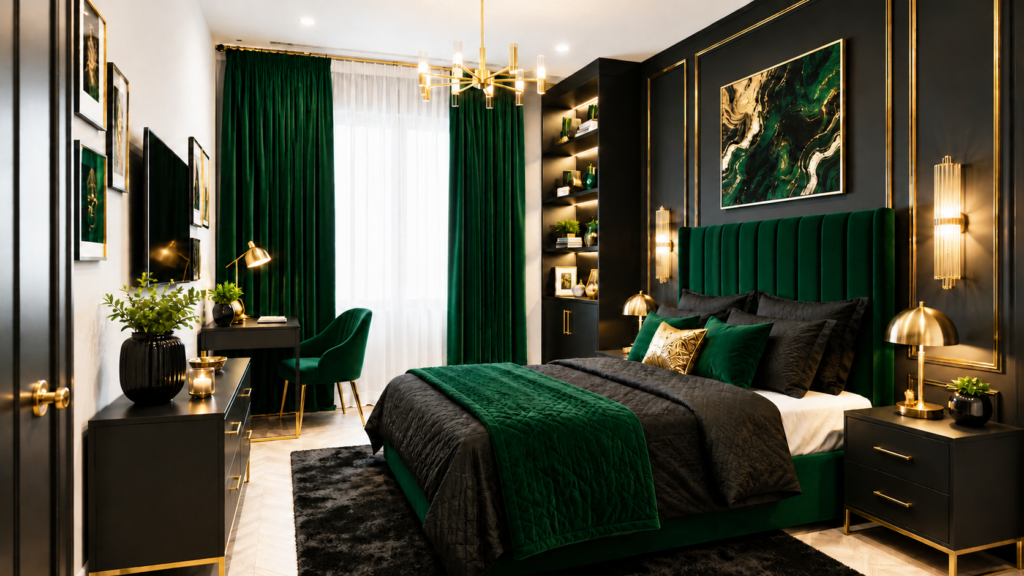
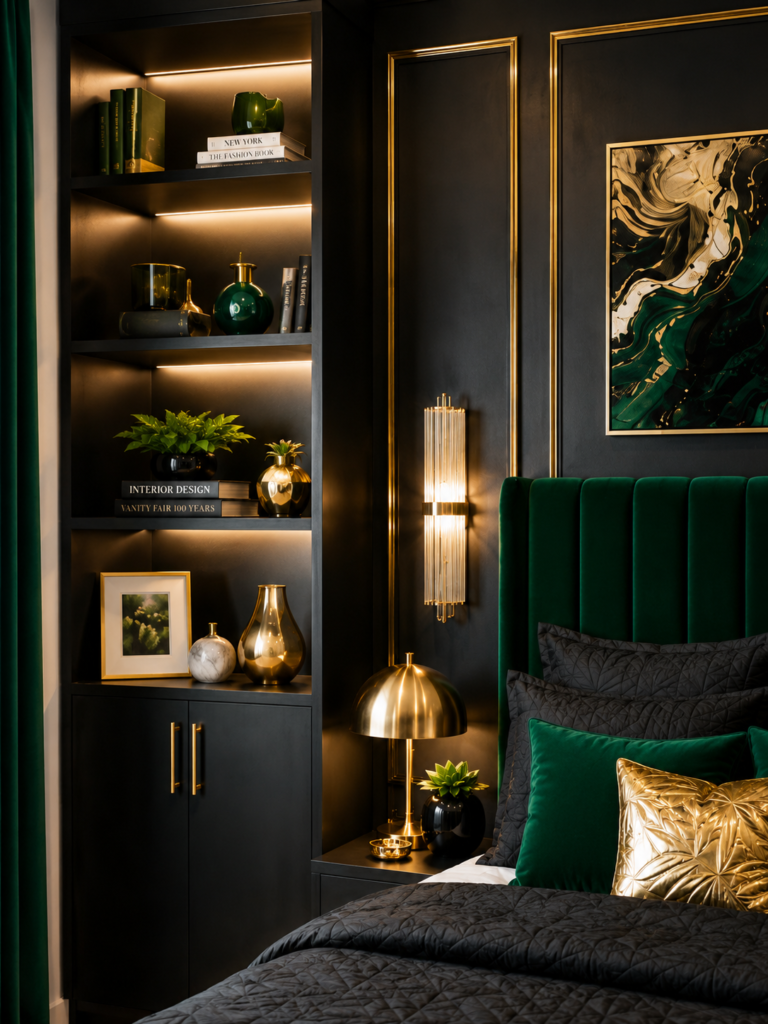
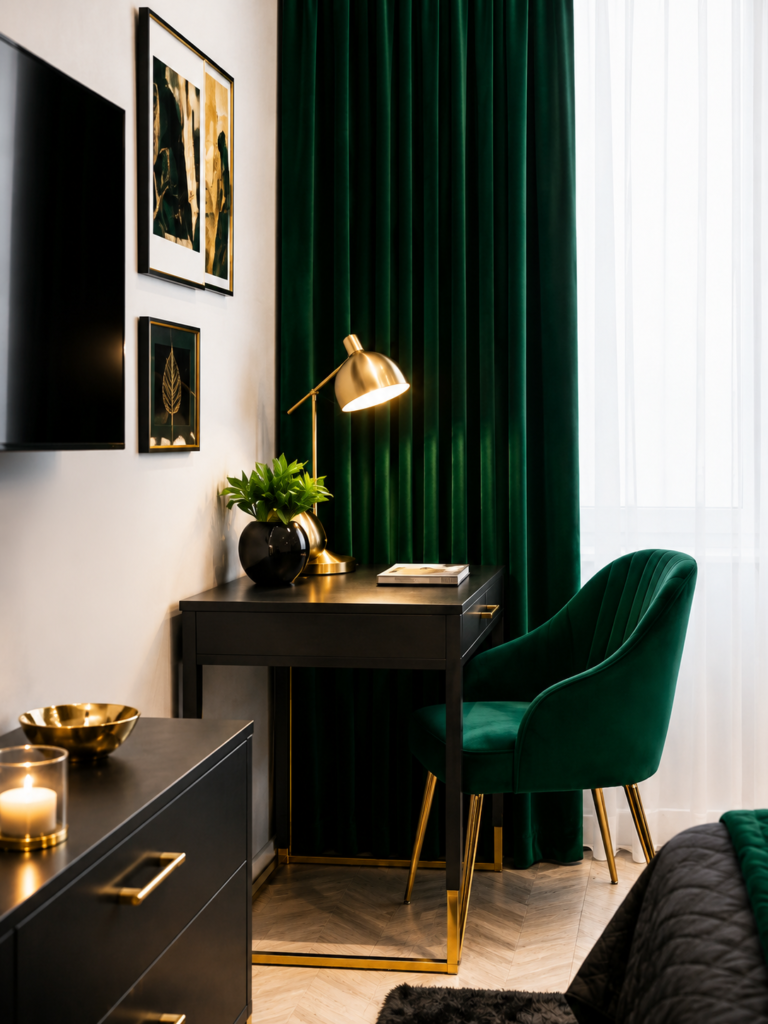
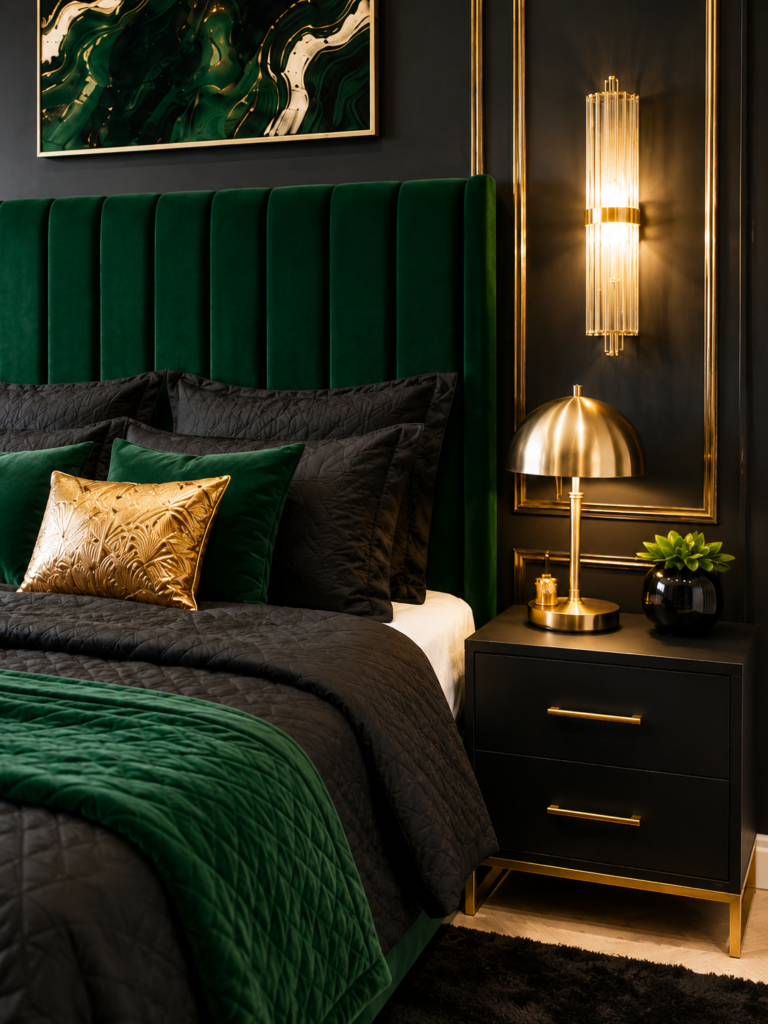
I once saw a client try to use a bright emerald in a fifty square foot nursery. It was a disaster. If you love emerald but want to use it in a more controlled luxury way, an emerald green black and gold bedroom shows how to balance deep jewel tones with black, brass, and layered lighting. The walls felt like they were closing in on the baby. We switched to a pale sage and the room immediately felt like it had windows on every wall. The pale green bedroom allowed the white furniture to shine. We added a few gold frames from Target and the space looked expensive and calm. Small rooms need colors that breathe. Sage breathes.

If you are on a budget you can achieve this look with Sherwin Williams Sea Salt. This is a famous color for a reason. It shifts between green and blue depending on the weather. It is a very safe choice for beginners. You can paint a whole room for under one hundred dollars if you do the labor yourself. Pair it with white trim for a crisp look. Or if you want something more modern paint the trim the same color as the wall. This hides the baseboards and makes the ceilings look higher.

One failure point I see is using too many black accents with sage. Black can make sage look muddy. Instead use dark brown or navy blue for your deep accents. A navy blue throw pillow on a sage bed is a stunning room color combination. It feels classic and sophisticated. It reminds me of the colors you see on a stormy day at the beach. It is a very natural and grounded palette that helps the brain shut down for the night.


How can a room color combination affect your morning energy?

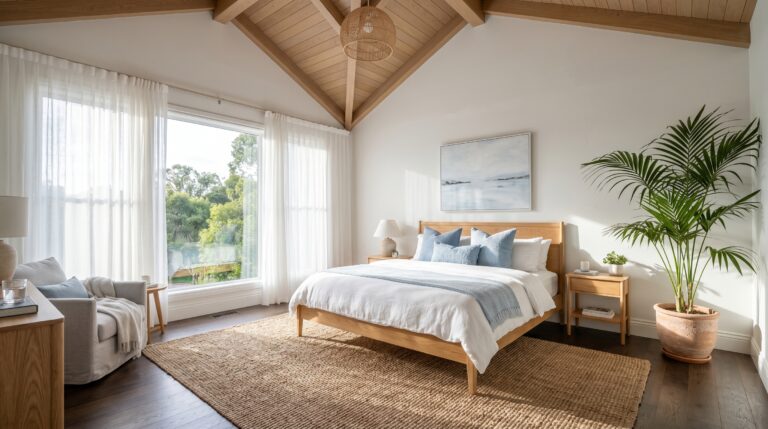
Light oak bed frame in an airy bedroom with pale green walls and soft natural light from a window.

The right room color combination can help you wake up feeling refreshed by balancing natural morning light with soft wall tones. Green is a secondary color that provides the peace of blue and the energy of yellow. This balance helps regulate your internal clock and makes the transition from sleep to wakefulness much smoother.

I wish I had known the power of color psychology when I was in college. I lived in a bright yellow room and I was always anxious. When I moved and painted my room a soft olive my mood shifted. I felt more stable. This is not magic. It is how our eyes process light. Green is the easiest color for the human eye to see. It requires no adjustment. This is why being in nature feels so good. Bringing that into the green bedroom is a way to hack your brain for better health.

In my experience the morning light hitting a green wall is a beautiful sight. It creates a soft glow that is not as harsh as white. If you have a room that gets a lot of morning sun choose a green with a bit more gray in it. This prevents the room from feeling too neon when the sun hits. Benjamin Moore Gray Wisp is a fantastic choice for this. It looks like a misty morning. It makes getting out of bed feel less like a chore and more like a gentle start.

For a high energy morning try adding small pops of orange or coral to your green bedroom. These are opposite on the color wheel so they create a tiny bit of visual excitement. You do not need a lot. A single coral vase or a piece of art with orange tones will do. This creates a wall color combination that feels alive. It works well for people who struggle to get moving in the early hours. It provides a little spark without being loud.

One tool I love for planning this is the Adobe Color wheel. It is free and lets you play with different palettes. You can upload a photo of your favorite forest or park and it will pull out the exact hex codes. This takes the guesswork out of matching. I used this for a client who wanted her room to feel like a specific hiking trail in Oregon. We found the exact shades of pine and dirt and built the room around them. The result was a deeply personal space that she loved every single morning.


Which wall color combination works best with natural wood furniture?

Wooden headboard against a dark olive green wall featuring a warm brass wall sconce in a modern bedroom.

A wall color combination of deep olive or forest green works best with natural wood because it creates a high end organic look. Dark greens make the grain of the wood pop while lighter greens create a softer more rustic feel. This pairing is timeless and works with mid century modern or farmhouse styles.

I have seen people try to match wood to green and fail because they ignore the undertones. If you have orange toned wood like oak you need a green with a bit of blue to balance the heat. If you have cool wood like walnut a warm olive green bedroom is stunning. I once worked on a bedroom with original nineteen seventies cedar walls. We painted three of the walls a dark moss green and left the cedar as an accent. The green made the red in the cedar look like a deliberate design choice rather than an old relic.

For a modern look I recommend the brand Clare. Their color called Dirty Martini is a sophisticated olive that looks incredible with light wood furniture from stores like Article or Joybird. It has a richness that makes cheap furniture look expensive. An olive green bedroom with a light oak bed frame is a classic combo that will not go out of style in two years. It feels rooted in the earth.

If you are working with dark wood furniture like cherry or mahogany stay away from very dark greens. The room will become a black hole. Instead go for a mid tone green like a eucalyptus or a deep mint. This provides enough contrast so the furniture does not get lost. I like using Pottery Barn bedding in white or light gray to break up the dark tones. This keeps the room feeling balanced. A room color combination of dark wood mid green and white linens is a recipe for success.

A common failure is ignoring the floor. If you have gray wood floors do not use a yellow green. It will look sickly. Use a cool forest green or a minty sage. The floor is your fifth wall and it must be part of the plan. I often suggest adding a jute or sisal rug. These natural fibers bridge the gap between the wood furniture and the green walls. They add a rough texture that balances the smooth paint. This layer usually costs around three hundred dollars and changes the whole feel of the space.


What are the best bedroom wall colors for a modern organic look?

Biophilic bedroom with deep green walls, abundant indoor plants, a jute rug, and a stone side table.

The best bedroom wall colors for a modern organic look are those that feel found in nature such as moss fern and clay green. Pair these with raw materials like stone linen and unfinished wood to complete the aesthetic. This style focuses on simplicity and the beauty of natural imperfections.

Modern organic is all about the “quiet luxury” feel. It is not about being flashy. It is about being high quality. For a softer version of this natural look, a warm bedroom aesthetic can help you layer wood, linen, amber lighting, and earthy tones around your green walls. I have noticed that the most successful green bedroom designs in this style use matte finishes. You do not want a shiny wall. A matte finish looks like velvet and absorbs the light. This makes the color feel much deeper. Brands like Farrow and Ball specialize in this look with their Dead Flat finish. It is the best in the business for an organic feel.

In my experience you should also bring in real plants. A green bedroom is the perfect place for a large Monstera or a trailing Pothos. The living green of the plant against the painted green of the wall creates a beautiful monochromatic layer. It adds oxygen to the room which helps you sleep better. I have three plants in my own bedroom and I noticed I wake up with less congestion. It is a cheap way to make the room feel high end and healthy.

For a wall color combination that feels modern try a dark charcoal green like Sherwin Williams Iron Ore with a deep forest green. This is a very moody and masculine look that still feels organic. It reminds me of stone and moss. Use black metal lamps from a brand like Rejuvenation to tie it together. This look is very popular in urban lofts but works anywhere if you have enough light. It feels very grounded and solid.

One troubleshooting tip for this style is to avoid plastic. If you want an organic look you must use organic materials. Choose cotton curtains over polyester. Pick a wool rug over a synthetic one. Even a small change like swapping plastic light switches for brass ones makes a huge difference. These details are what make a green bedroom feel like a designer space. It shows that you thought about every inch of the room. This focus on quality over quantity is the heart of the modern organic movement.


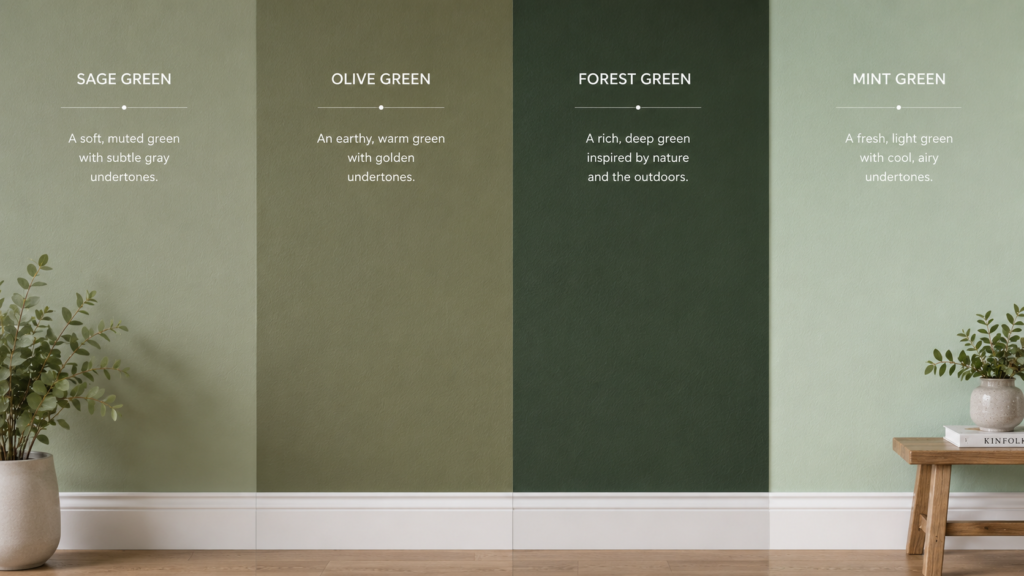
FeatureSage GreenForest GreenOlive GreenMint Green
Best ForSmall RoomsLarge SuitesModern OrganicGuest Rooms
MoodPeacefulMoodyGroundedFresh
Light NeededLow to MediumHighMediumAny
Wood PairingLight OakWalnutAshWhite Wash
Brand PickFarrow & BallSherwin WilliamsClareBenjamin Moore
Cost Range$$$$$$$$

Case Study: The Downtown Loft Transformation

Three years ago I helped a client named Mark who had a cold white bedroom in a concrete building. He felt like he was sleeping in a garage. We decided to go bold with a dark forest green bedroom. We used Benjamin Moore Salamander which is a very deep moody shade.

The Plan:

We painted all four walls and the baseboards. We kept the ceiling white to reflect the limited light from the single window. We added a leather headboard and brass sconces.

The Timeline:

The project took five days. Two days for prep and paint and three days for furniture assembly.

The Outcome:

Mark reported that he started going to bed an hour earlier because the room felt so inviting. His heart rate while sleeping dropped by an average of five beats per minute according to his health tracker. The dark green absorbed the street lights from outside making the room pitch black at night. This shows that dark colors can solve practical problems like light pollution.


Step-by-Step: How to Paint Your Green Bedroom Like a Pro

  1. Clear the space. Remove everything from the walls. Move furniture to the center and cover it with plastic. This takes about one hour.
  2. Clean the walls. Use a damp cloth to remove dust. If you skip this the paint will not stick. This is a common failure point.
  3. Tape the edges. Use high quality blue painter’s tape. Press the edges down with a putty knife to prevent leaks. Spend two hours on this.
  4. Prime if needed. If you are going from a very dark color to a light sage you must prime. If you are using a paint and primer in one skip this.
  5. Cut in the edges. Use a two inch angled brush to paint the corners and edges. Do this first so you can roll over the brush marks.
  6. Roll the walls. Use a nine inch roller with a medium nap. Work in “W” shapes for even coverage. Let the first coat dry for four hours.
  7. Apply the second coat. This is where the magic happens. The color will finally look like the swatch.
  8. Remove the tape. Do this while the paint is still slightly damp for the cleanest lines.

Total Time: Approximately twelve hours over two days.

Total Cost: $150 to $250 for paint and supplies.


FAQ

Is green a good color for a bedroom?

Is green a good color for a bedroom?Yes green is one of the best colors for a bedroom because it is the most restful color for the eye. It sits in the center of the color spectrum making it easy for our brains to process. This leads to lower stress levels and a better environment for sleep. I have seen clients who struggle with insomnia find relief in a deep mossy green bedroom. It mimics the safety of a lush forest.

What colors go well with a green bedroom?

Natural neutrals are the best partners for green. Think of cream beige tan and warm whites. For a bit of contrast you can use terracotta or muted gold. If you want a cooler look pair green with navy blue or a soft gray. I suggest staying away from primary colors like bright red or yellow as they can make the room look like a fast food joint.

Will a dark green bedroom make my room look small?

Not necessarily. Dark colors can actually make walls feel like they are receding which creates a sense of infinite space. If you paint the trim and the ceiling the same dark shade the corners of the room disappear. This trick makes a small room feel much larger and more like a cozy den. I have used this in many small apartments with great success.

How do I choose between sage and olive green?

Sage has more blue and gray making it feel cooler and more traditional. Olive has more yellow and brown making it feel warmer and more modern. If your room is south facing and gets lots of sun sage will feel refreshing. If your room is north facing and feels cold olive will add the warmth you need. Look at your existing furniture to see if it is cool or warm toned.

Can I have a green bedroom if I have gray floors?

Yes but you must pick a green with a cool undertone. A sage green bedroom or a minty shade will work well with gray floors. Avoid greens with heavy yellow bases as they will clash with the cool gray and look a bit off. Bring home a sample of the paint and lay it directly against your floor to check the match.

Is green paint hard to cover if I change my mind?

Medium greens are easy to cover with a good primer. Very dark forest greens might take two coats of primer before you can go back to white or beige. It is no harder than covering a dark blue or a deep red. As long as you use quality products like those from Sherwin Williams you will not have an issue.

Does green paint look different in LED light?

Yes LED bulbs can be very cool or very warm. A “cool white” bulb will make your green look more blue. A “warm white” bulb will make it look more yellow or olive. I always suggest changing your bulbs to “neutral white” or “daylight” before you pick a paint color. This gives you the most accurate view of the shade.

What is the most popular green for a bedroom?

Currently sage green is the most requested color. It is seen as a “new neutral” because it is so easy to live with. It works with almost any decor style from modern to vintage. Specifically Benjamin Moore Saybrook Sage and Sherwin Williams Sea Salt are top sellers every year. They are safe choices that look good in almost any light.

Should I use a matte or satin finish?

For a bedroom I always recommend a matte or flat finish. These finishes do not reflect light which makes the color look richer and more velvety. It also hides any bumps or scratches on your walls. Satin or eggshell finishes have a slight shine that can feel a bit clinical in a space meant for resting. Matte paint creates a much softer atmosphere.

Can I mix different greens in one room?

Yes and you should. Mixing a light sage green on the walls with dark forest green pillows and a mid tone olive rug creates depth. This monochromatic look is very sophisticated. Just make sure all the greens have a similar undertone. Do not mix a very yellow olive with a very blue mint or they will fight each other for attention.

How do I use green in a kid’s bedroom?

For kids you can go a bit brighter but still keep it grounded. A soft mint or a grassy green is fun and energetic without being overwhelming. Pair it with light wood furniture and colorful art. Green is a great gender neutral choice that grows with the child. It is much easier to update than a themed room or a very specific pink or blue.

What are common mistakes when decorating a green bedroom?

The biggest mistake is picking a green that is too saturated or “bright.” If the color looks like a lime or a green apple on the swatch it will be too loud on the wall. Always lean toward greens that have a bit of gray or brown in them. Another mistake is using too much white furniture which can make the green look stark. Use wood or metal for a more balanced feel.

Does a green bedroom help with anxiety?

Many people find that green helps reduce feelings of anxiety because of its connection to nature. It is a grounding color that helps slow down a racing mind. While paint is not a cure for medical conditions the environment we live in has a massive effect on our mental state. Creating a peaceful green bedroom is a great step toward a more relaxing home life.


The Path to Your New Sanctuary

Creating a green bedroom is more than just a home project. It is a commitment to your own rest and well being. We have looked at how light changes everything and why texture is the secret to a high end look. From the soft touch of sage to the deep mystery of forest tones there is a version of this color for everyone. My best advice is to start small if you are scared. Paint one wall or just buy some new green bedding. You will notice the shift in your mood almost immediately.

In my experience the rooms we love the most are the ones that feel like they have always been there. Green provides that timeless quality. It does not feel like a trend that will be gone next year. It feels like home. I predict we will see even more people moving toward these “earthy” colors as we spend more time indoors and crave a connection to the outside world. This is not just about paint. It is about how you want to feel when you close your eyes at night and open them in the morning.

Will you choose a shade that feels like a misty morning or a deep midnight forest?

Similar Posts

3 Comments

Leave a Reply

Your email address will not be published. Required fields are marked *