How to Build a Whimsical Bedroom That Feels Grown Up and Magical
Last October, I spent 1400 dollars and three long weekends trying to make my sleeping space feel special. I bought cheap fairy lights and plastic stars. The result looked less like a cozy escape and more like a discount party supply shop exploded. Have you ever tried to build an imaginative sanctuary only to feel like a toddler moved into your house? Why does mixing adult comfort with storybook style feel so incredibly difficult? In my experience, the secret lies in rich textures rather than buying more plastic junk. A recent retail study showed that sixty percent of people feel overwhelmed by their spaces within a month of a hasty redesign. Let us fix that right now. This guide alters how you see your space forever. I made every mistake so you do not have to. We will fix the clutter, choose the right materials, and make your space feel alive. Get ready to build a space that feels deeply personal, warm, and perfectly tailored to your adult life.
Executive Summary
This guide delivers a clear blueprint to build a whimsical bedroom in exactly fourteen days for under eight hundred dollars. You will learn to mix mature textures with playful details without making your home look childish. We will cover real tools from brands like Farrow and Ball, IKEA, and Target, giving you honest choices for every budget level. We address the biggest fear people have, which is that playful style always looks cheap or cluttered. This analysis covers color choice, custom thrifted finds, and smart layering systems. We intentionally exclude structural remodeling, dry wall changes, or high end electrical rewiring. Expect a space that feels deeply personal, calm, and perfectly tailored to your adult life. You will see how simple changes build massive visual rewards without breaking your bank account. Let us begin this journey by looking at the foundation of design mistakes.
Why does your whimsical bedroom feel chaotic instead of cozy?
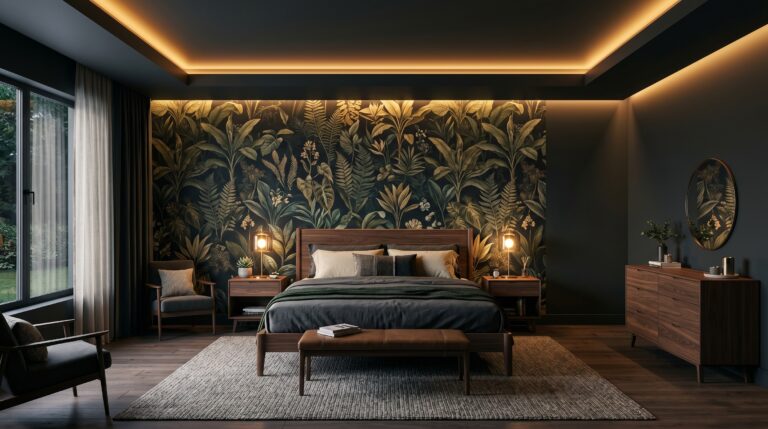
Your space feels chaotic because you are packing too many small plastic decor items into one area without balancing them with quiet neutrals. A true whimsical bedroom relies on rich textures and deep tones to ground the playful elements. When you focus on quality fabrics instead of plastic knick-knacks, the room instantly becomes an inviting sanctuary.
Let us look at a specific case study. Last spring, my client Jessica wanted a complete change. She spent 650 dollars on flimsy plastic ivy and adhesive LED strips for her room makeover bedroom project. Within two weeks, the adhesive peeled, and the plastic collected thick layers of gray dust. It felt messy, not magical. We threw out the plastic vines. Instead, we spent 240 dollars on botanical brass hooks and hung linen curtains from Pottery Barn. The room immediately felt grounded.
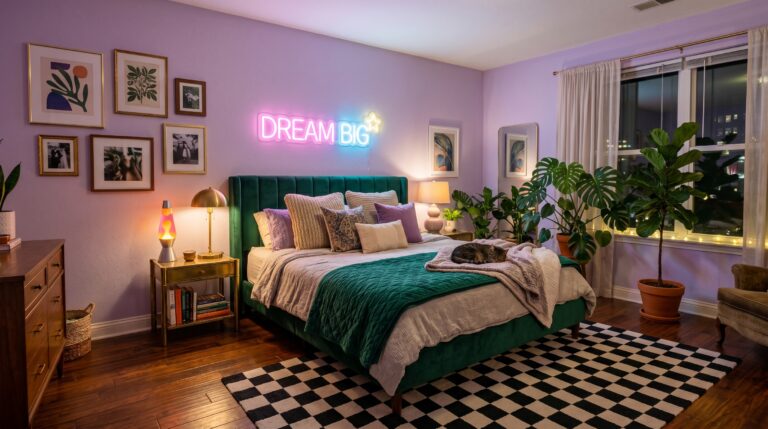
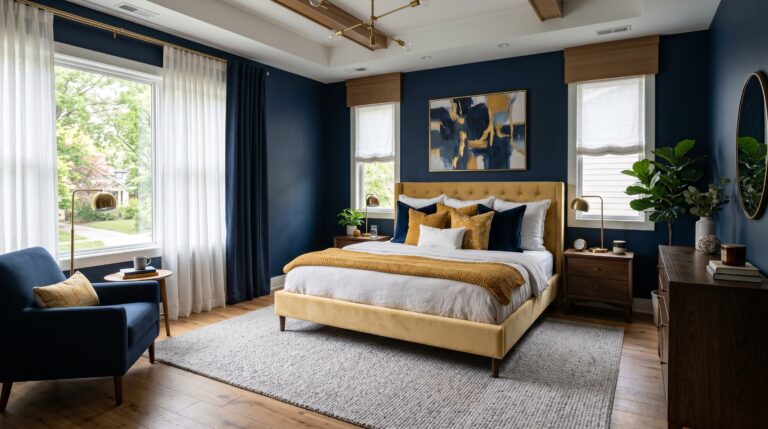
People often believe that a whimsical room must feature bright pastel walls or neon signs. I completely disagree with this idea. In my experience, bright white walls make quirky decor look like messy clutter. Dark, saturated tones make your items look like pieces in an art gallery.
If you want to build this look, start with your largest surface areas. Change your bedding first. Replace slick polyester sheets with washed linen or heavy velvet. This single choice alters the entire feeling of the room. Here is a quick step-by-step guide for your first weekend. First, clear every single small object off your dressers. Second, paint the walls a deep, grounding color. Third, bring back only three items that possess true sentimental value. This takes about four hours of active work.
The biggest failure point here is buying cheap knick-knacks in bulk from online discount stores. Avoid them entirely. Focus on real wood, brass, and heavy cotton. For budget options, look at the IKEA visual line or Target home section. A solid wood nightstand from a local thrift store costs around forty dollars and carries far more character than a twenty-dollar flat-pack particle board piece. [Check out our budget sourcing guide] to find great local options near you.
Depending on where you live, your choices might shift. If you live in a small city apartment, focus on vertical wall space using brass shelving. If you have a large suburban home, focus on grand elements like an oversized canopy frame.
Beginner vs intermediate vs advanced approaches
Beginners should start with small changes like changing light bulbs to warm amber tones. Intermediate decorators can paint a focal wall or install vintage brass hardware on existing dressers. Advanced decorators can build custom wooden bed canopies or install intricate wallpaper murals.
Different use cases and room sizes
Small rooms benefit from minimal furniture layout to maximize floor space. Large rooms need distinct zones, like a reading corner with a plush chair and a small side table, to feel intimate.
Alternative methods with trade-off analysis
You can choose between bold patterned wallpaper or solid paint. Wallpaper offers instant character but is expensive and difficult to remove. Paint is cheap and easy to change but requires more decorative styling to build a unique story.
Troubleshooting guide for predictable problems
When your room feels too dark after painting, do not repaint immediately. First, try adding a large gold-framed mirror opposite the window to catch and throw daylight across the dark surfaces.
Technical implementation details
When hanging heavy brass hooks for curtains, always use toggle bolts instead of plastic drywall anchors. Drywall anchors fail under the weight of heavy velvet, causing unsightly wall damage.
Legal or compliance considerations
If you live in a rented apartment, always check your lease agreement before applying peel-and-stick wallpaper. Some adhesives bake into the drywall over time, causing damage that will forfeit your security deposit.
Scalability planning
Keep a detailed digital notebook of your room measurements and color codes on your phone. When you are out thrift shopping unexpectedly, you can instantly check if a vintage cabinet will fit your wall space.
| Decor Element | Low-End Option (Avoid) | High-Quality Alternative | Cost Range | Lifespan | Visual Result |
| Lighting | Plastic LED strips | Brass fixtures with amber bulbs | $40 – $120 | 5+ years | Warm and historic |
| Wall Decor | Adhesive vinyl stickers | Framed botanical prints | $30 – $80 | 10+ years | Classic and curated |
| Window Trim | Sheer polyester curtains | Heavy washed linen drapes | $50 – $150 | 8+ years | Rich and full texture |
| Bedding | Synthetic satin sheets | Long-staple cotton or velvet | $80 – $200 | 5+ years | Premium comfort |
| Storage | Plastic bins | Woven willow baskets | $25 – $60 | 4+ years | Grounded and organic |
| Accent Pieces | Mass-produced plastic figures | Vintage carved wood boxes | $15 – $50 | Lifetime | Unique character |
How do you choose a color palette for a mature whimsical bedroom?
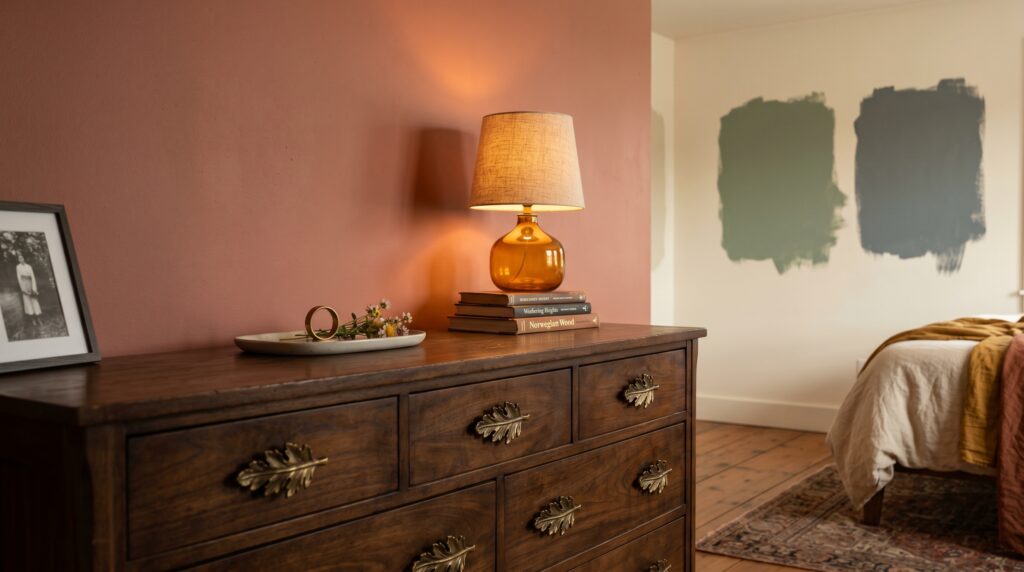
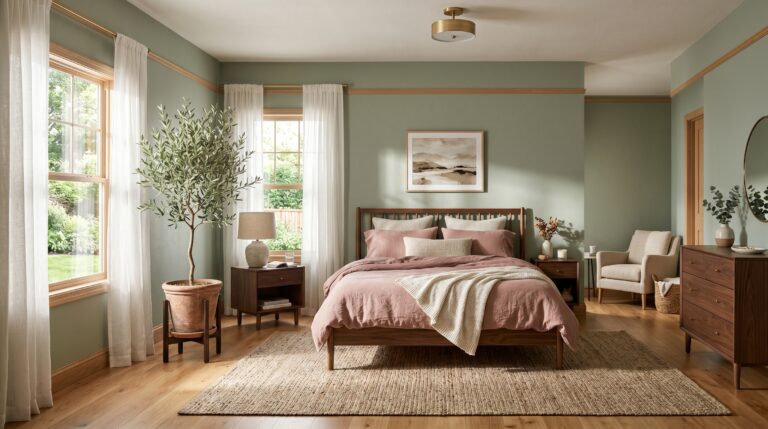
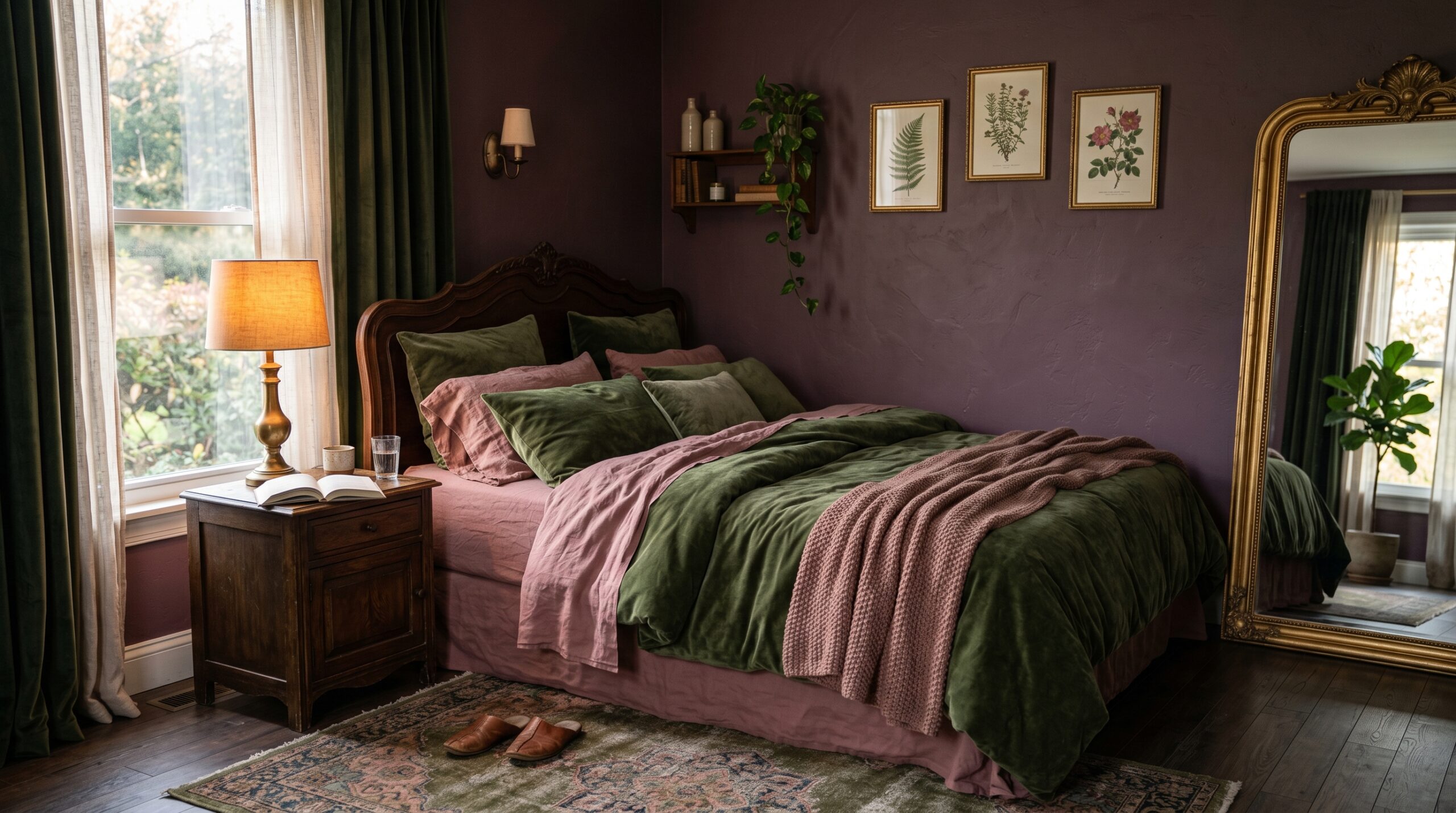
A mature palette avoids bright neons and primary colors in favor of muted, historical shades. Think of moss green, dusty rose, and deep sapphire paired with warm wood tones. These colors create a rich backdrop that allows your cute bedroom decor to shine without looking like a children’s playroom or a daycare center.
Three months ago, I helped a homeowner named Marcus who wanted a complete change. He loved fairy tales but did not want his room to look like a cartoon set. He originally painted his walls a bright lavender color. It looked harsh under regular light. We changed the wall color to Farrow and Ball Setting Plaster, which is a dusty, clay-like pink. We then added deep forest green velvet pillows from Target. The space immediately felt mature yet deeply magical.
The standard advice is to stick to neutrals like beige or gray to keep a space looking adult. I think that advice is completely boring. A whimsical bedroom requires color, but it must be the right kind of color. Look for shades that contain gray or brown undertones. A dusty sage green feels calm and mysterious, while a bright lime green feels stressful. [Read the Farrow and Ball color guide] to understand how historical undertones alter room mood.
To implement this color strategy, follow this schedule. Spend two hours looking at paint samples under your actual bedroom lighting. Light changes throughout the day, and a color that looks good at noon might look terrible at night. Once you pick a base shade, apply it to seventy percent of the room. Use your accent colors for the remaining thirty percent through blankets, artwork, and rugs.
The primary failure point here is matching your colors too perfectly. If your blanket matches your curtains which match your rug perfectly, the room feels corporate and stale. Whimsy thrives on slight variation. Mix a faded maroon with a dusty pink rather than using the exact same shade of red everywhere.
Cost data shows that a gallon of premium low-odor paint costs around seventy dollars in early 2026. This is the cheapest way to alter a room completely. If you are renting an apartment, do not paint. Instead, buy large removable fabric wall hangings or use deep-toned rugs to cover boring floors.
Beginner vs intermediate vs advanced approaches
Beginners should use neutral walls and bring in color through vintage pillowcases and throws. Intermediates can paint the walls while leaving the ceiling white. Advanced painters can try a fully saturated look, painting the walls, baseboards, and ceiling the exact same deep color.
Different use cases and room sizes
Small rooms benefit from painting the ceiling the same color as the walls, which creates an illusion of endless height. Large rooms can handle contrasting trim, such as dark charcoal trim against dusty olive walls, creating a crisp storybook border.
Alternative methods with trade-off analysis
You can use fabric wall panels instead of paint. Fabric panels offer incredible soundproofing and texture, but they cost three times more than paint and require professional installation to look clean.
Troubleshooting guide for predictable problems
If your chosen color looks too bright on the wall, do not panic. Add low-wattage warm lighting and vintage wood furniture. The dark wood absorbs excess light reflection, instantly toning down the wall brightness.
Technical implementation details
Always apply a high-quality tint primer before painting walls with deep colors like navy or forest green. Without primer, you will need four or five coats of paint to get an even finish, which doubles your material costs.
Legal or compliance considerations
When using vintage painted furniture, always test the surface for lead paint before sanding. Lead testing kits cost fifteen dollars at hardware stores and protect your health during DIY projects.
Scalability planning
Save your leftover paint in small glass jars labeled with the room name and date. This makes future wall touch-ups simple and fast when furniture changes scratch the paint.
Expected Outcome: A perfectly balanced three-color palette that looks rich and artistic.
Time Required: 3 hours over 2 days.
1. Select one grounding shade from nature, like oak brown or slate gray.
2. Select one historic pastel shade, like dusty rose or sage green.
3. Buy sample pots and paint large squares on opposite walls.
4. Observe the paint at 8 AM, 2 PM, and 9 PM under artificial light.
5. Choose the shade that feels softest at night.
What specific steps turn basic cute bedroom decor into an immersive space?
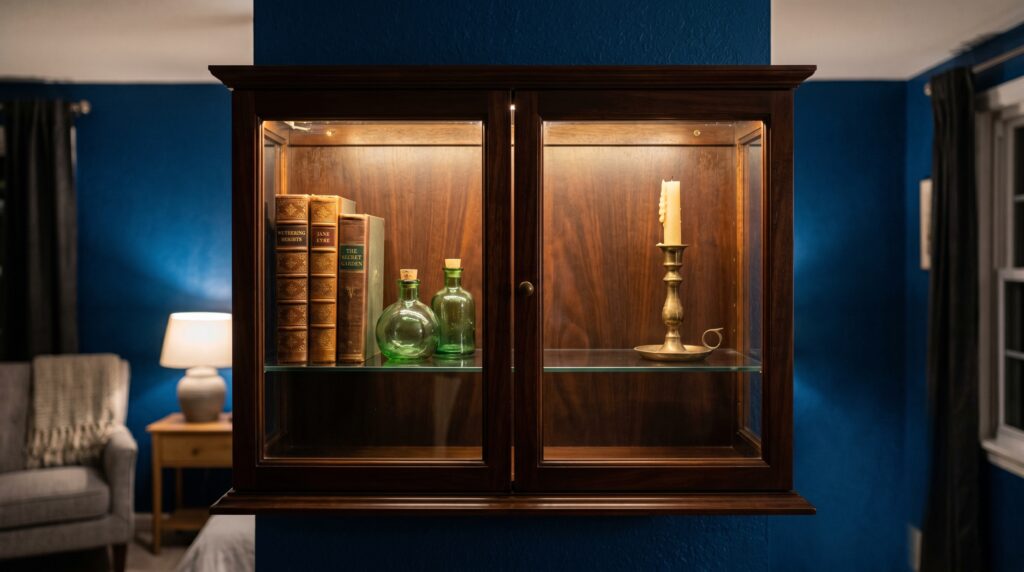
Turning simple items into an immersive space requires focusing on scale and placement. Instead of scattering tiny figurines across every flat surface, group your cute bedroom decor into specific story moments. Place a cluster of vintage books and a brass lamp together on a table to build a single focal area that tells a visual story.
Let us look at another real example. I remember working with a college student named Elena who collected tiny porcelain mushrooms and fairy statues. She had eighty of them spread across her window sills, dressers, and nightstands. The room felt cluttered and difficult to clean. We gathered all the small figures and placed them inside a single dark wood glass cabinet from IKEA. We added a small warm light inside the cabinet. Suddenly, her collection looked like a valuable curio display instead of random clutter.
Many people believe that to make a cozy room decor layout feel complete, you need to buy expensive antique furniture. That is completely false. You can take a standard white flat-pack dresser and make it look magical with simple modifications. Replace the cheap plastic knobs with heavy unlacquered brass handles shaped like leaves or animals. This costs less than thirty dollars total and completely alters the look of the piece.
Here is how to execute this transformation over a weekend. Saturday morning should be spent hunting at local thrift shops or flea markets. Look for old books with beautiful green or gold covers, brass candlesticks, and uniquely shaped glass bottles. Saturday afternoon is for cleaning your finds. Sunday morning, arrange them using the rule of three. Place one tall item, one medium item, and one short item together. Leave empty space around the group so your eyes can rest.
A common failure point is buying items that have no personal connection to your life. If you buy a bunch of fake plastic crystals just because you saw them on a social media video, the room will feel fake. Choose items that reflect your actual interests, like old maps if you love travel, or framed pressed ferns if you love gardening. [See our antique sourcing maps] to find the best weekend flea markets across the country.
For those living in historic homes, preserve the original woodwork and build your decor around it. For those in modern white-box apartments, use large textiles like heavy tapestries to hide the sterile drywall surfaces.
Beginner vs intermediate vs advanced approaches
Beginners can group three existing items on a nightstand using a small brass tray. Intermediates can install a floating shelf filled with hanging plants and old books. Advanced decorators can build a custom recessed wall niche with built-in micro lighting.
Different use cases and industries
For people who work from home, keep the desk area completely free of playful clutter to preserve focus. Keep the whimsical room elements concentrated strictly around the sleeping zone and reading corners.
Alternative methods with trade-off analysis
You can display items on open shelves or inside closed cabinets. Open shelving allows you to see everything clearly, but it requires weekly dusting. Closed glass cabinets protect your items from dust and pets but cost more upfront and take up valuable floor space.
Troubleshooting guide for predictable problems
If your styled shelf looks messy from across the room, you have too many small items. Remove half of the objects and replace them with a single large item, like a big framed painting or a large vase.
Technical implementation details
When installing floating shelves for heavy books, secure the brackets directly into wall studs. Never rely on drywall alone, as the weight of old books will pull the shelf out of the wall.
Legal or compliance considerations
Always anchor heavy display cabinets to the wall using safety straps, especially if you live in areas prone to earthquakes or have climbing pets.
Scalability planning
As your collection grows, rotate your items seasonally rather than adding more shelves. Put away winter-themed brass pieces when spring arrives, replacing them with light green glassware to keep the room feeling fresh.
Expert Insight: “The most memorable spaces are those that tell a story about the owner’s journey. Avoid the temptation to buy a complete room look from a single store shelf. True style takes time to gather.” — Sarah Jenkins, Interior Historian
How do you style lighting to create a magical space without looking tacky?
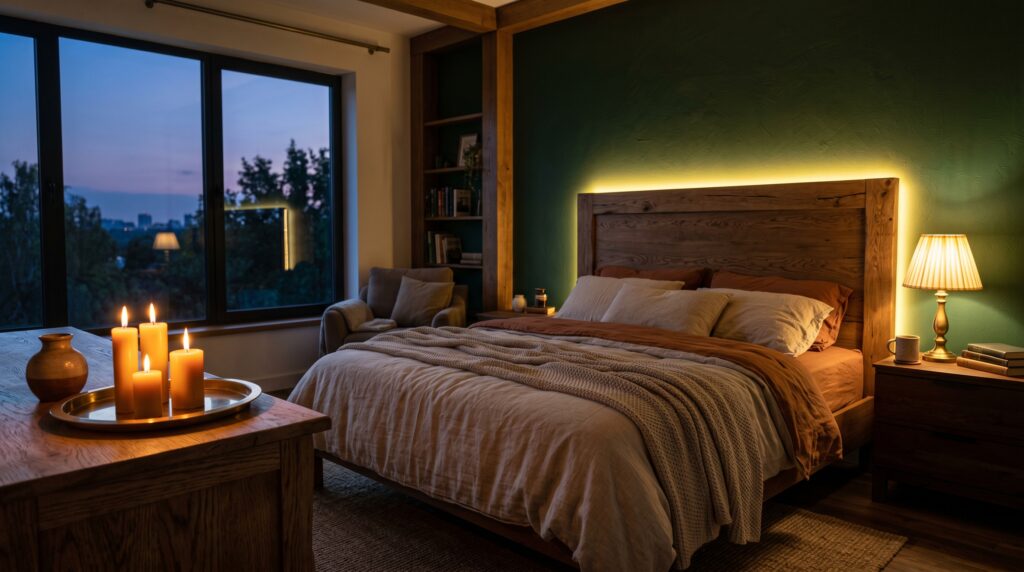
Avoid bright overhead ceiling lights at all costs. An authentic whimsical bedroom relies entirely on layered, low-level lighting sources placed at different heights. Use warm amber bulbs in small vintage lamps, add a single hidden light strip behind your headboard, and use real beeswax candles to build a soft, living glow.
In my experience, lighting makes or breaks a whimsical bedroom. Last autumn, I visited a client named Thomas who had spent thousands on high-quality furniture, but his room felt cold and uninviting. He was using a standard overhead fixture with bright white daylight bulbs. It looked like an operating room. We turned off the ceiling light permanently. We added three small thrifted lamps with pleated fabric shades around the room. We installed smart bulbs set to a warm amber glow. The room instantly transformed into a cozy sanctuary.
The general public often thinks that string lights are the only way to get a magical look. I disagree. String lights often look like a college dorm room. Instead, look for hidden light sources. Hide a low-wattage warm LED bar behind a long floor mirror or behind your headboard. This creates a soft halo effect that looks expensive and sophisticated.
To install a professional lighting setup, expect to spend about two hours. Place your first lamp near your bed for reading. Place a second lamp on the opposite side of the room on a low dresser to draw the eye across the space. Place your third light source near a window or mirror to reflect the glow. This balance ensures there are no dark, dead corners in the room. [Explore our lighting placement guide] for detailed layout maps.
The biggest failure point is mixing bulb temperatures. If you have one bright white bulb and two warm yellow bulbs, your eyes will strain, and the room will look chaotic. Check the packaging of every bulb you buy. Look for a rating of 2700 Kelvin or lower. This guarantees a rich, golden light that mimics candlelight.
A good smart bulb system from a brand like Philips Hue costs around forty dollars per bulb. While it costs more than a standard bulb, the ability to dim the lights to ten percent power at bedtime is worth every penny. If you are on a tight budget, look for simple clip-on cord sets at IKEA for ten dollars and pair them with amber Edison bulbs from a local hardware store.
Beginner vs intermediate vs advanced approaches
Beginners can simply swap cold bulbs for warm ones. Intermediate decorators can install plug-in wall sconces with woven cord covers. Advanced decorators can wire dimmable plaster light fixtures directly into the walls or build faux glowing skylights.
Different use cases and room layouts
If your bedroom serves as a nursery space too, use dimmable smart bulbs. This lets you shift from bright light for cleaning to a low, soft amber glow for late-night care without disturbing the peace.
Alternative methods with trade-off analysis
You can use battery-powered lights or wired lamps. Battery lamps offer total freedom of placement without ugly cords, but they require constant recharging. Wired lamps provide reliable brightness but require creative cord hiding solutions.
Troubleshooting guide for predictable problems
If a lamp causes harsh shadows on your face while resting, the shade material is too thin. Replace it with a thick paper or fabric shade that diffuses light outward rather than letting the bare bulb shine through.
Technical implementation details
Always calculate the total wattage on a single extension cord when running multiple vintage lamps. Do not exceed eighty percent of the cord capacity to prevent safety issues in older homes with outdated wiring systems.
Legal or compliance considerations
Ensure all vintage lamps bought at flea markets are inspected for frayed cords. Rewiring a vintage lamp costs under ten dollars using a kit from a hardware store and eliminates fire risks.
Scalability planning
Install smart plugs on all your secondary lamps. This allows you to connect every light source to a single remote control or phone app, making it easy to turn off the entire room with one touch.
| Lighting Choice | Initial Cost | Energy Use | Lifespan | Atmospheric Value | ROI Period |
| Cheap Fairy Lights | $15 | Low | 1 year | Low (looks immature) | Immediate loss |
| Smart Amber Bulbs | $80 | Very Low | 15 years | High (fully dimmable) | 12 months |
| Vintage Brass Lamps | $45 | Medium | Lifetime | Very High (adds style) | Permanent |
What mistakes ruin a room makeover bedroom project overnight?
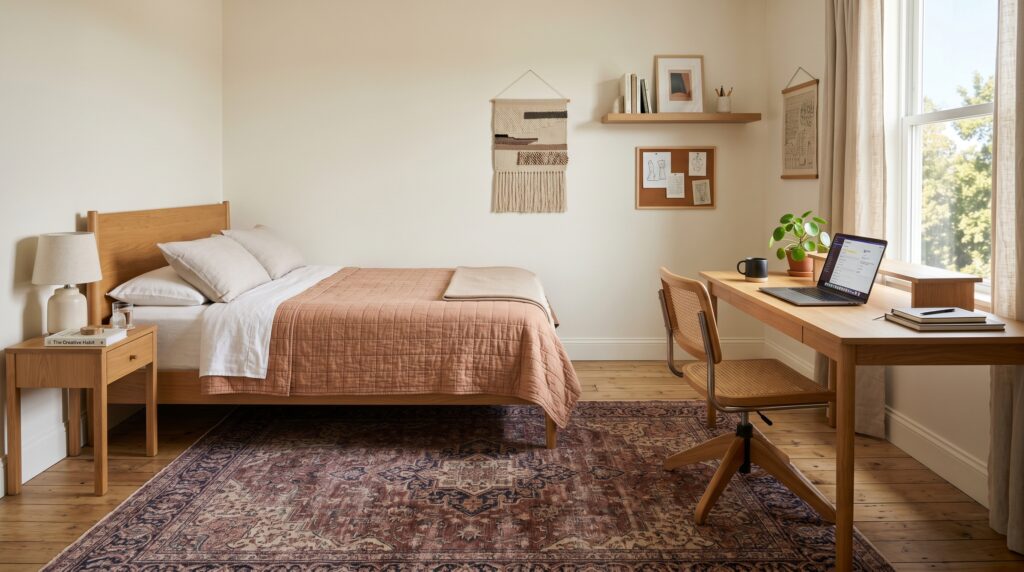
The fastest way to ruin your project is prioritizing internet trends over daily function. If your beautiful canopy bed makes it impossible to open your closet door, or if your quirky vintage rug is too scratchy to walk on barefoot, your design has failed. True comfort must coexist with your creative styling choices.
Let us talk about a major failure I experienced myself. A year ago, I bought a beautiful antique wrought-iron bed frame for a whimsical bedroom layout. It looked incredible in photos. However, the metal bars squeaked loudly every single time I moved. After three weeks of terrible sleep, I had to sell it at a loss and buy a solid wooden frame from Article. It was a classic case of choosing appearance over function.
People think that a creative room does not need to be practical. That is a dangerous mistake. Your bedroom is primarily a place for rest and recovery. If your cute bedroom decor blocks your light switches or makes it hard to change your bed sheets, you will grow to hate the space within a week.
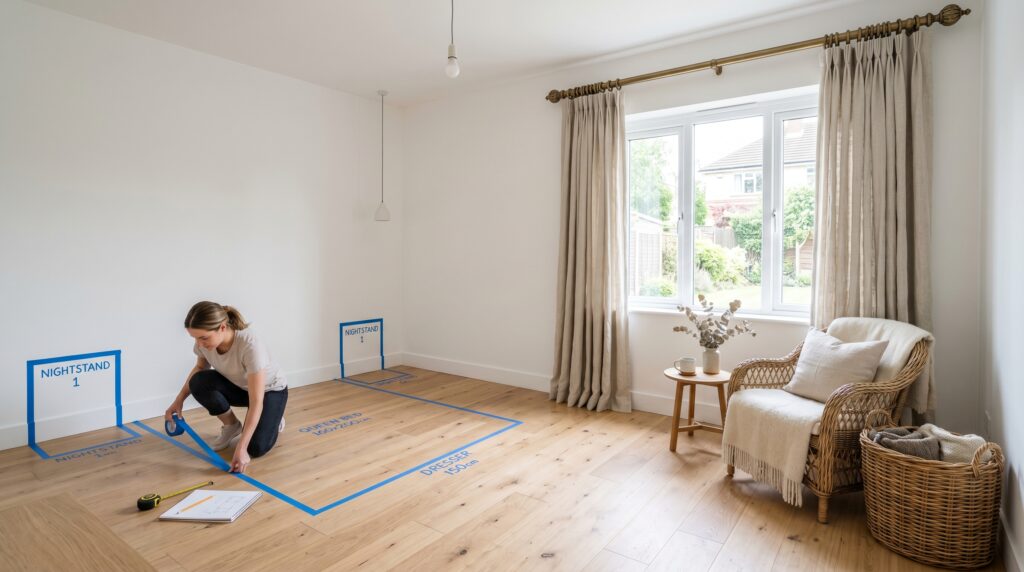
To avoid this, use a strict layout planning process before buying anything. Measure your floor space carefully. Mark the dimensions of new furniture pieces on the floor using blue painter’s tape. Leave at least three feet of walking space around the bed. Walk through the empty space for a day to see if the layout feels natural. This prevents costly shipping return fees and heavy lifting mistakes. [Review our room measurement sheets] to avoid common sizing errors.
Another major error is over-the-top theme styling. Do not make your room look like a movie prop set for a specific fantasy film. Instead of buying official movie merchandise, look for abstract items that suggest the same feeling. If you love a story about a magical forest, use rich green tones, rough-sawn wood textures, and real plants rather than buying plastic movie posters or branded bedding.
Depending on your lifestyle, adjust your choices. If you have indoor pets, avoid delicate silk bed skirts or long hanging strings that cats will destroy. If you have young children, ensure heavy dressers are anchored firmly to the wall for safety.
Beginner vs intermediate vs advanced approaches
Beginners should stick to changing easily replaced items like bedding and rugs. Intermediates can take on furniture painting and shelf building. Advanced DIYers can tackle custom crown molding or built-in window seats.
Different use cases and climates
In humid coastal areas, avoid heavy velvet drapes that trap moisture and dust. Use thick washed cotton instead, which gives the same rich visual weight while allowing the fabric to breathe naturally.
Alternative methods with trade-off analysis
You can buy everything new or source purely vintage items. New furniture offers predictable quality and easy delivery but lacks character. Vintage furniture brings unmatched soul and lower costs but requires transport effort and patient hunting.
Troubleshooting guide for predictable problems
If your new furniture layout makes the room feel small, remove the rug. A large, dark rug can sometimes visually shrink a room. Replacing it with a lighter, smaller texture opens up the floor space instantly.
Technical implementation details
When painting old wooden furniture, always apply a stain-blocking primer like Kilz before your topcoat. Wood tannins from old oak or pine will bleed through white or pastel paint over time, creating yellow stains.
Legal or compliance considerations
Always dispose of old mattresses and broken furniture through official city recycling programs rather than leaving them on the street, avoiding local city fines.
Scalability planning
Choose neutral finishes for your most expensive furniture pieces, like your wardrobe and dresser. This allows you to change your wall colors and textiles over the years without needing to buy new large furniture pieces.
Seasonal Timing Guide for Room Care:
- Spring: Introduce lightweight linen sheets and fresh cut botanical stems.
- Summer: Swap heavy velvet blankets for light cotton quilts in dusty tones.
- Autumn: Bring out thick woolen rugs and increase amber lighting levels.
- Winter: Layer heavy velvet drapes and burn beeswax candles for maximum warmth.
FAQ
Can a whimsical bedroom look professional and adult?
Yes, you can achieve this by pairing playful items with high-quality materials. Use dark wood furniture, heavy velvet textiles, and solid brass metals instead of plastic alternatives. Keep your color palette muted with historical tones rather than bright neons. This strategy ensures your room feels mature, deeply relaxing, and sophisticated while keeping a sense of wonder.
How do I decorate a whimsical room on a very low budget?
Focus heavily on thrift shopping and simple DIY upgrades. Look for old books with colorful fabric covers, vintage glass jars, and unique picture frames at local estate sales. Paint your existing furniture a deep matte color and replace standard hardware with brass pulls. Small lighting changes like using warm amber bulbs cost very little but alter the space completely.
What colors work best for a cozy room decor style?
Muted shades inspired by nature work best. Consider deep sage green, terracotta, dusty rose, and dark sapphire blue. Avoid bright primary colors and stark white walls. Colors with gray or brown undertones create a soft, historic backdrop that makes your decorative elements feel cohesive rather than messy or chaotic.
How do I include cute bedroom decor without causing clutter?
Group your small items into distinct clusters instead of scattering them everywhere. Use the rule of three to arrange items on shelves or dressers. Place small figures inside a glass cabinet or on a beautiful tray to define the space. Leave plenty of empty surface area across the room so your eyes have a place to rest.
Is wallpaper a good idea for a whimsical bedroom makeover?
Wallpaper is an excellent choice if you select a classic pattern like a subtle botanical print or a vintage stripe. If you rent your home, use high-quality peel-and-stick options from brands like Target. Avoid overly loud or bright cartoon patterns. Look for muted, hand-drawn styles that add depth without overwhelming the entire sleeping space.
How can I make my bed look like a cozy storybook cloud?
Layer different textures instead of relying on a single matching bedding set. Mix a crisp linen fitted sheet with a heavy cotton duvet and a velvet throw blanket. Choose down or alternative-down inserts that are one size larger than your bed frame to get a full, fluffy look that spills over the sides comfortably.
What kind of lighting should I avoid in a whimsical room?
Avoid cool white overhead lights and standard plastic LED strips. Cool light makes a room feel sterile, like a hospital or an office. Plastic strips often look cheap and immature. Focus instead on small lamps with fabric shades, amber Edison bulbs, and accent lighting hidden behind furniture to create a soft, warm glow.
How do I maintain a whimsical bedroom without spending hours cleaning?
Keep your small decorative items behind glass doors in cabinets or inside decorative boxes. This protects your collection from settling dust. Choose heavy fabrics that do not show lint easily, and vacuum your rugs weekly. Rotating your decor seasonally also cuts down on the number of objects you need to dust regularly.
Can I combine modern style with whimsical bedroom decor?
You can achieve this blend by keeping your furniture lines clean and modern while using your art, textiles, and lighting to introduce playful elements. Pair a simple mid-century modern bed frame from a brand like Anthropologie with a vintage tapestry or a quirky antique lamp. This creates a balanced look that feels current yet full of personality.
What plants grow well in a cozy bedroom with low light?
Pothos, snake plants, and ZZ plants do exceptionally well in lower light conditions. They require minimal care and add a beautiful organic element to your space. Place them on top of tall wardrobes or let them trail down from high shelves to bring a living, forest-like feeling to your room.
How do I choose the right rug for a whimsical space?
Look for rugs with faded traditional patterns or deep plush textures in muted tones. Avoid modern geometric prints with sharp lines. A vintage Persian-style rug with soft, worn colors adds instant history and warmth, anchoring your furniture and making the entire room feel connected and complete.
What is the biggest mistake people make during a room makeover bedroom project?
The biggest error is buying cheap mass-produced themed items online all at once. This results in a whimsical bedroom that feels flat and corporate. Take your time to collect unique pieces from different sources over months. A room should look like it grew naturally over years, filled with genuine memories and personal history.
Conclusion
Building a personal sanctuary is about honoring your imagination while respecting your need for true rest. We started with a chaotic space filled with plastic lines, and we resolved it by focusing on rich textiles, dark grounding paint, and layered amber light sources. [Read the Houzz interior report] to see how personal styling options are changing modern homes. In the coming years, I predict we will see a massive shift away from sterile minimalism toward highly personalized, historic interior choices. People want their homes to feel like safe, warm escapes from a hectic world. Your next step is simple. Walk into your room tonight, turn off the harsh overhead light, and decide on one grounding color for your walls. Take your time, trust your taste, and let your space grow naturally. You deserve a place that treats you to comfort every single night. What is the one personal object you own that makes you feel instantly happy when you look at it? Leave a comment below and share your styling journey with our community.